
By Ben Bassett
The beauty of lure fishing is in its simplicity, a rod, a reel, line and a lure. Four simple ingredients combining to give the angler the tools for catching a fish. If you can refine it even further though, with the lightest versions of those four components, the results can be joyous. To help inspire you to try it the lighter way, this is our guide to micro shore jigging.
Shore jigging is a technique popular in the Mediterranean and Japan, where a large metal lure (normally called a jig), is cast into deep water and worked through the depths, similar to how you would work a jig from a boat. The difference being that these shore jigs are designed to fall slower, so you can keep them in the strike zone for longer. In the UK we have traditionally called a more straightforward version of this ‘spinning’, using simple metal lures such as the Dexter Wedge or Abu Toby. But now we have so much more choice and higher spec’ rods to go with it.
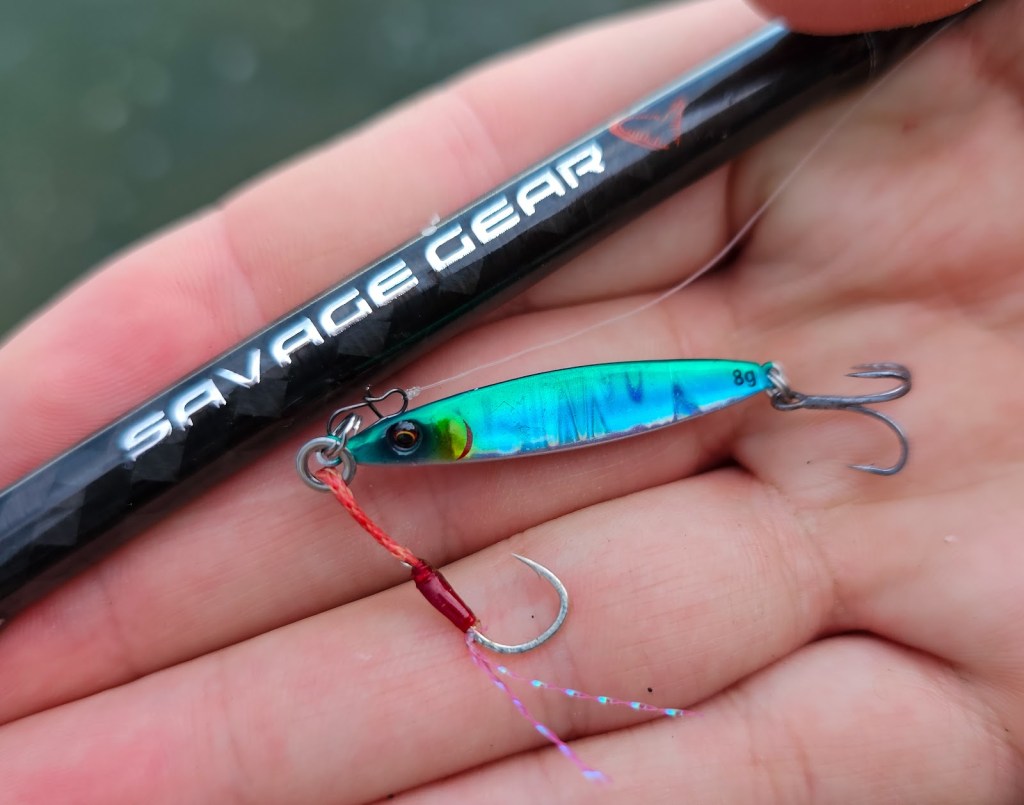
Micro shore jigging has no real definition, in fact some would say anything under 20g is Micro, but for the sake of this article I’m going to talk about using jigs from 0.6-10g, this falls within the realm of LRF and is my speciality. When using lighter weighted jigs, there are a few things I have learned that will help you really get the most of them.
But first it’s reasonable to ask, what are the benefits of going so light? And there are two main factors at play here, the enjoyment is by far the most important, but also it is about the variety too. Using ultra-light rods, fine lines and small lures ramps up the fun factor. Let’s be honest, although we all pretend our next fish is going to be a giant bass or pollack, there are actually very few pelagic fish that come close to the UK shoreline that weigh more than 2lb. So why are we wasting the fight on the many species that are here on heavy spinning tackle and feathers?
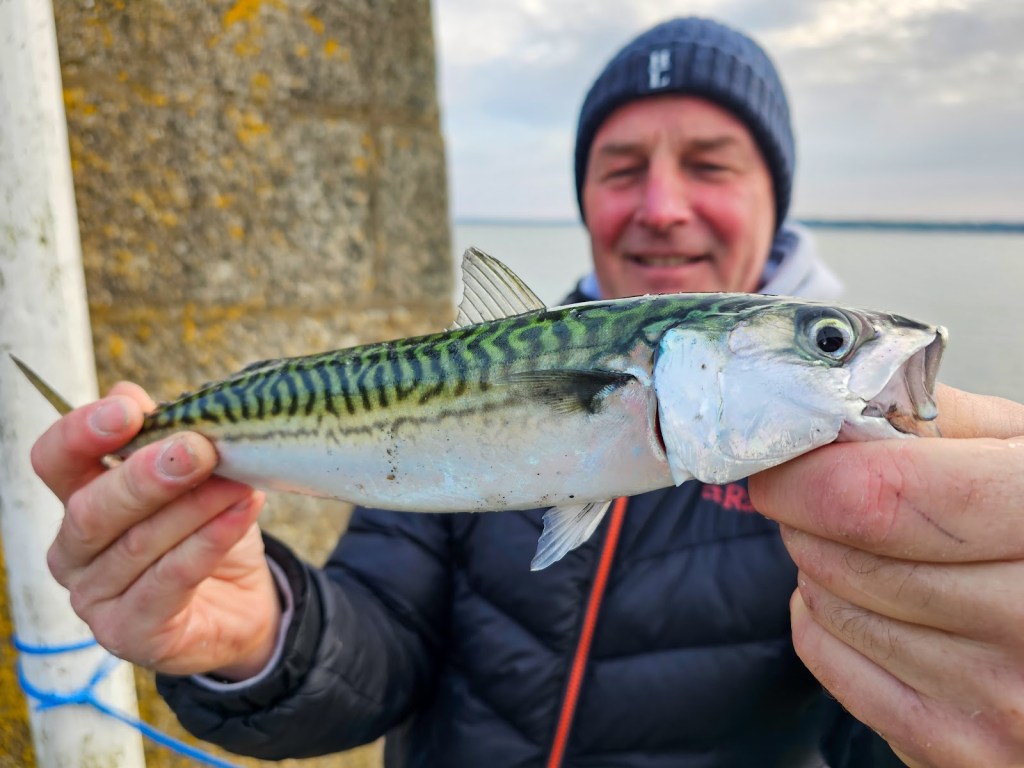
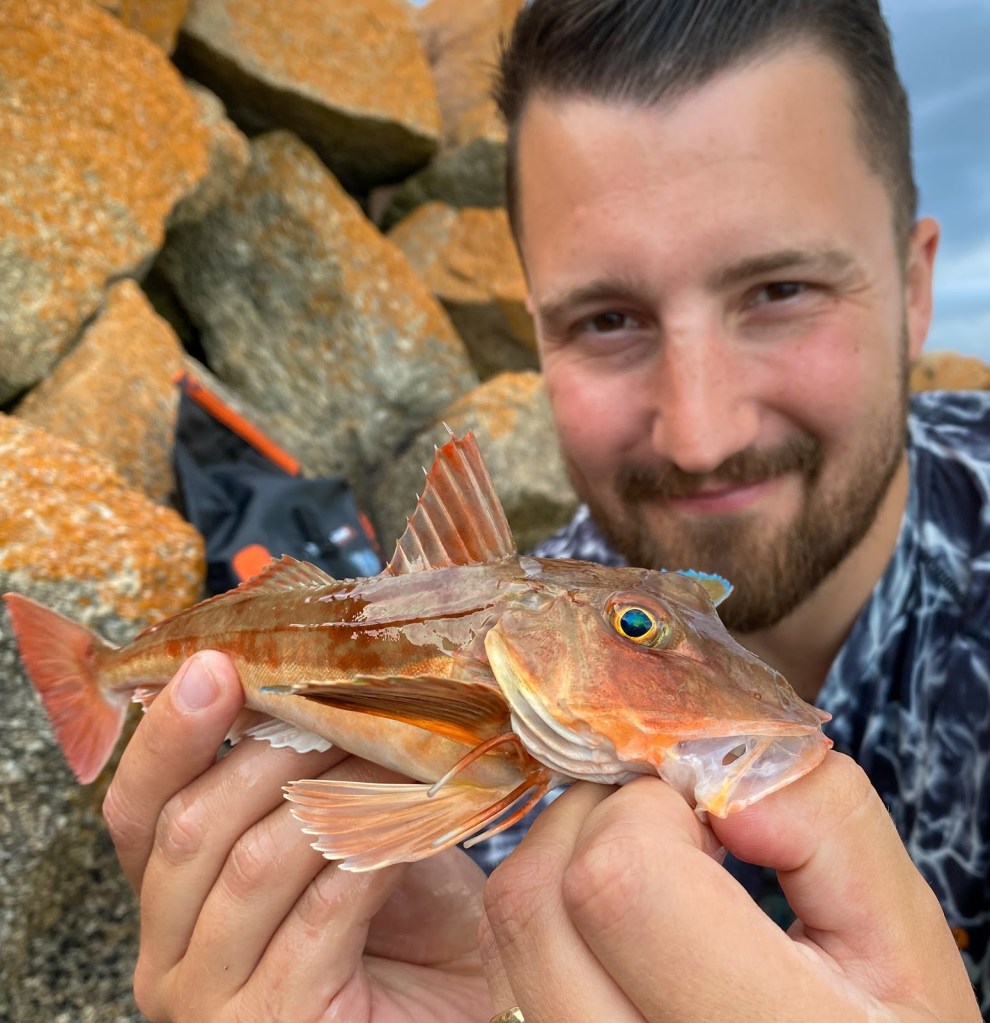
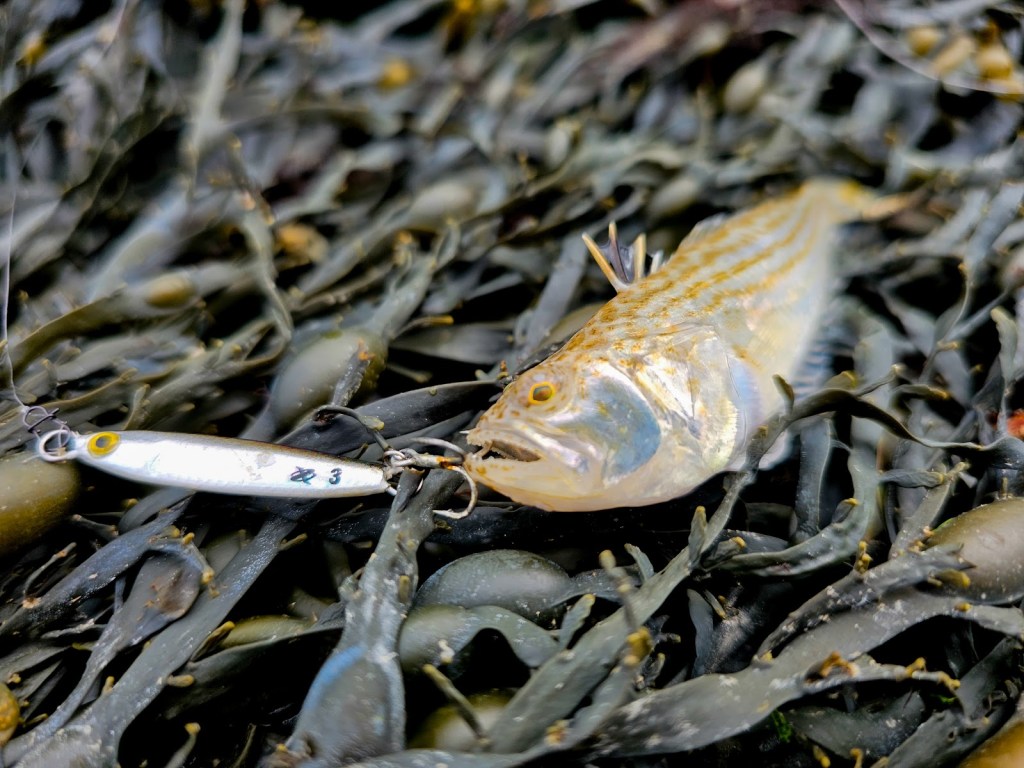
Speaking of the possible species, our waters are teeming with potential for Micro Shore Jigging – mackerel, scad, garfish, launce, tub gurnard, grey gurnard, couches bream, black bream, turbot and many, many more are species who willingly take a well presented jig.
Tackle wise, in my view there are two sides of Micro Shore Jigging, 0.6-3g and 3-10g lures. For the former, I prefer to use fast actioned solid tipped rods, either a 500 or 1000 sized reel and either 6lb rated braid or, for the really light lures, Ester rated to no more than 2lb breaking strain. For the (relatively) heavier lures up to 10g, my preference is for a tubular rod with a more regular-fast action, a 1000-2000 sized reel with 6 or 8lb rated braid. The larger reel size aids your casting and helps you retrieve the jigs quicker, and the tubular rod has more strength to work your lure, without the tip folding under pressure.
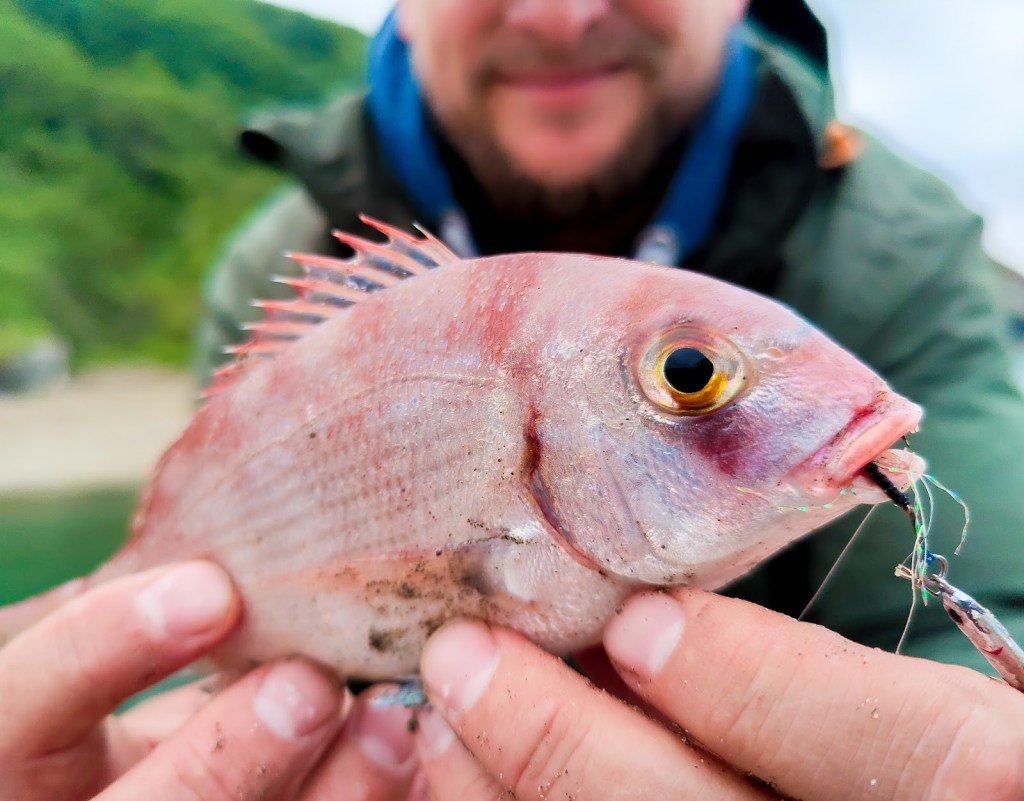
Lure choice just seems to get better every year. There has never been a better time to get into metal jigs. You can easily find cheap copies on sites like AliExpress, but I am convinced it is worth buying the real thing. A few of my favourites are, the Majorcraft Jigpara Micro range in Slim and Regular ranging from 1.5-10g, the Xesta Afterburner from 3-10g, the Savage Gear TG Flatline Jig in 5g or 8g, and the all conquering Majorcraft Nano Aji jigs ranging from 0.6-5g. Each one of those will catch plenty of species around our coasts.
Look for jigs that have high quality paint jobs or printing, appropriate sized hooks and preferably saltwater safe too. Assist hooks, which are the single hooks often decorated with tinsel or herring skin on a short length of braid, are very important too. Some of the smallest jigs forgo the trebles and only have an assist hook on the head end. These can be excellent fish attractors on their own merit, and if you are creative, you can tie your own.
Techniques for working smaller metals can be just scaled down versions of heavier Shore Jigging, but others can be very specific and only possible with the tiniest jigs. Luckily for the beginner almost every technique is simple and easy to learn. I will go through the basics here.
Straight Retrieve
The simplest way to fish. Cast out your jig as far as you can, let it sink down to your desired depth and retrieve, keeping your rod tip near the water to ensure your lure stays in your intended zone. Most slim profile jigs will work just fine on a straight retrieve, the action tends to look like the lure is swinging from side to side. This style works best for faster predators like mackerel, bass and garfish. Which is why those species have been the British staple for spinning techniques for years. I always chuck in a stop or a twitch with the rod tip though, to create intrigue and get attention. If you get a hit but miss the hook up, stop the retrieve for a couple of seconds and sweep the rod tip up quickly. Many species will engulf the lure on the drop, thinking they have stunned their prey.
Lift And Fall
My most used and most effective way of Shore Jigging. Again this is super simple. Cast out and give your jig slack line, once you think it is where you want it, reel in the slack to tighten the line then sweep the rod tip up to around a 70-80 degree angle, then drop the rod tip to slack line the lure again. You then repeat until the fish takes or you run out of water. Change the length of time between sweeps to get the lure working deeper or shallower as required. Remember it is important the line is slack when the lure is falling, or else you will ruin the action of your jig.
The aim with this technique is to let the jig do the work for you, let it flutter like a dying or distressed fish, making it look like an easy meal for a would-be predator. The best jigs for this technique are oval or elongated oval in shape, often labelled ‘Slow’; slow means they have a slower fall.
Slow Twitch/Bumping Bottom
This is one of my favourite ways to use metals, in a way that feels almost completely alien to the classic spinning techniques. With larger jigs, those 2g and up, this is a fantastic way to target gurnard, bream and flatfish, but it is incredibly effective with the really tiny jigs, those 1.5g and under, targeting gobies, blennies and even wrasse.
It’s best to treat this like a more subtle version of the ‘Lift And Fall’ as described above, but this time we are targeting the bottom dwellers and letting the lure hit the bottom and stay there for short periods. It goes without saying that you need a fairly snag free bottom to do this, especially with larger jigs. The lure is twitched inches off the sand/mud and then dropped back and left still for 5-30 seconds. You then repeat until you reach the shore. The aim is to attract the slower, or more bottom dwelling species.
With the tiniest jigs you can even recreate this under the rod tip around structure, or at night you can sight-fish species such as flounder under torchlight, twitching the small metal around their strike zone. When you break down the barriers in your mind as to what is possible, a world of opportunities opens up.
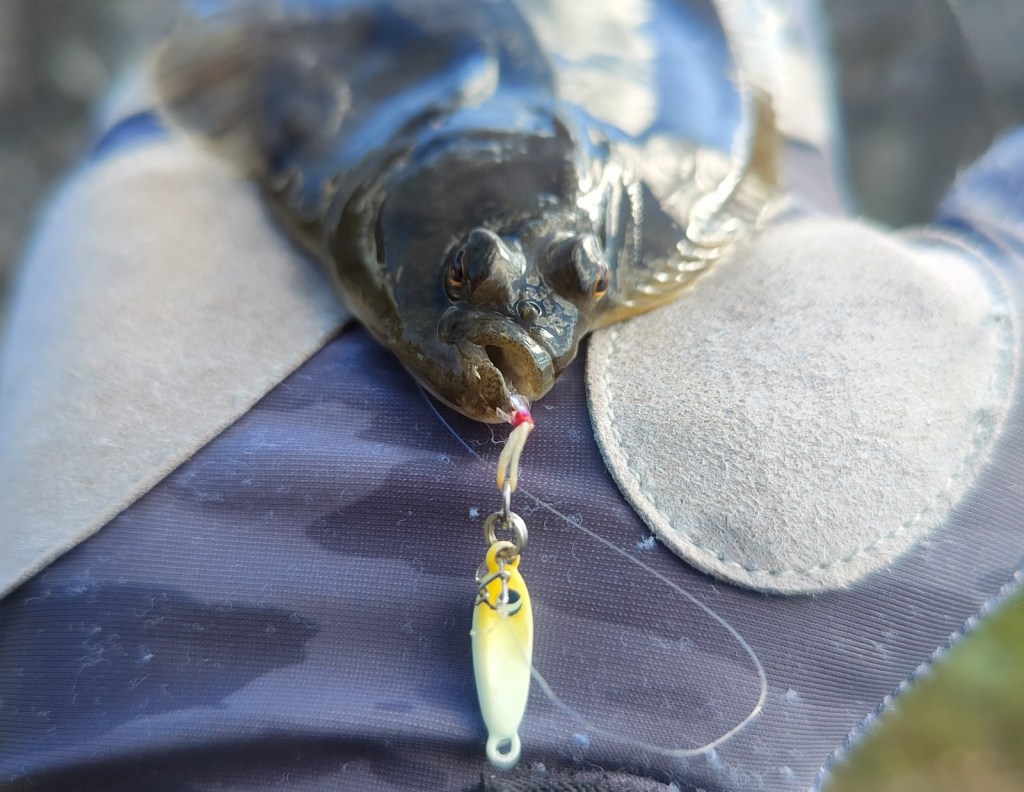
All of the above will work well with quality jigs and balanced tackle. The days of old school spinning are done, it is time to embrace the future of Shore Jigging, and even better, Micro Shore Jigging. It is very reasonable to expect to catch over 20 species on metals from the UK shore. Everything from turbot, to wrasse to gurnard are not only possible, but probable when targeted correctly. Join the micro metal revolution today.


Hi Ben. Just read your article on micro jigging. What is your opinion on changing the treble on a micro metal to a small single? Is there any advantage to doing this? Very informative magazine by the way, full of interesting articles for beginners to LRF like myself. Thanks. Steve West
LikeLike
Hi Steve, apologies for the slow reply on this. A single hook is a great replacement for most species, although there times when a small treble (especially for garfish) is preferred.
Thanks for the kind words, email us at thebiglerf@gmail.com if you need anymore help.
LikeLike