
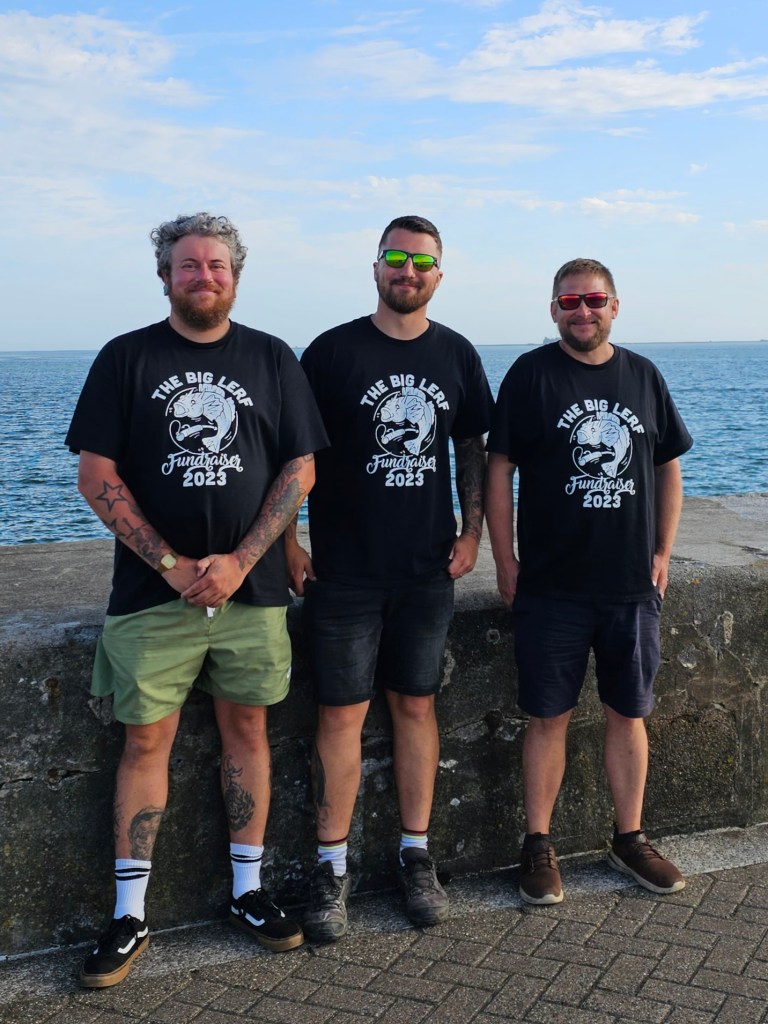
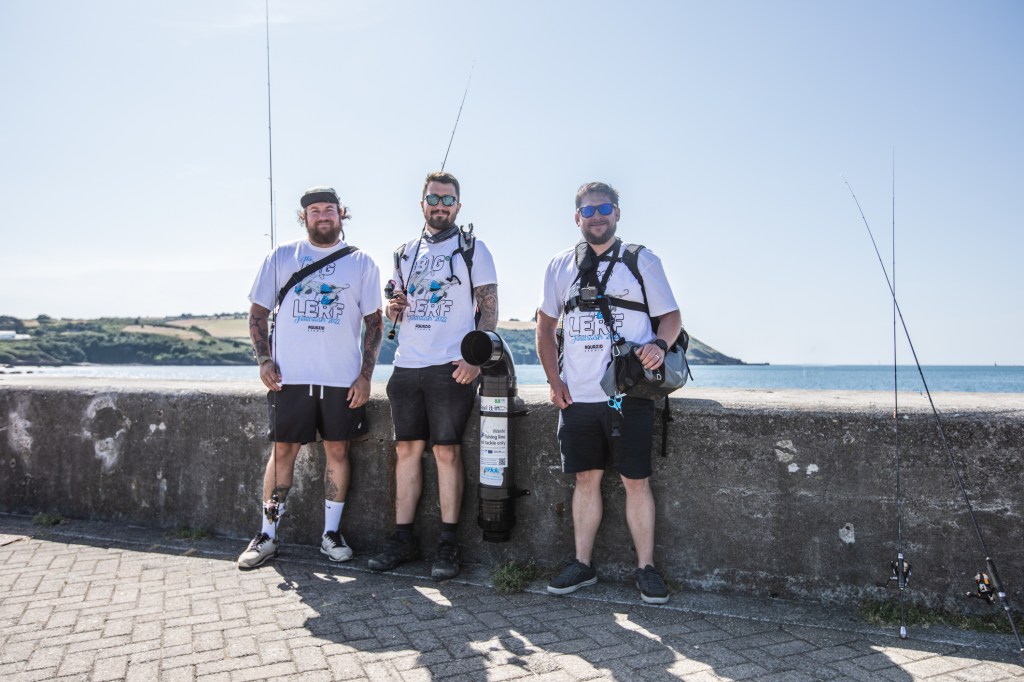
The Big Lerf was created by Ben Bassett, Rich Salter and Joe Mole. Three anglers with a passion for lure fishing, preferably with the lightest tackle possible. Due to cancelled events during the pandemic, we created our own online lure fishing competitions and haven’t stopped since!
We put on lure fishing competitions, record podcasts and run a magazine. All three of us come from an LRF background (more on that later), and that is where the term ‘Lerf’ comes from. A Lerfer is someone who fishes mostly LRF – basically it’s easier to say ‘I am going Lerfing’ than to say ‘I am going LRF’ing’. The ‘E’ in Lerf has no meaning, it is there purely to create the word.
So why The ‘BIG’ Lerf? Well that goes back to the locked down days of September 2020. In-person events were cancelled and we were denied our fix of LRF species hunting. We were particularly missing the Cornish Lure Festival. With that in mind, the three of us hatched a plan to still have an intense lure fishing weekend to see how many species we could catch, and after realising others wanted to join in too, we put the event online and called it ‘The Big Lerf’.
Anglers joined in from all over the country in salt and freshwater, posting their catches online so they could be added to our total. This wasn’t a competition, there were no prizes, and it turned out to be the beginning of a community formed of like minded anglers across the UK and further afield. You can read about that first event in the October 2020 Hookpoint Online edition. That weekend there were 44 species caught in fresh and saltwater, and that was just the beginning.
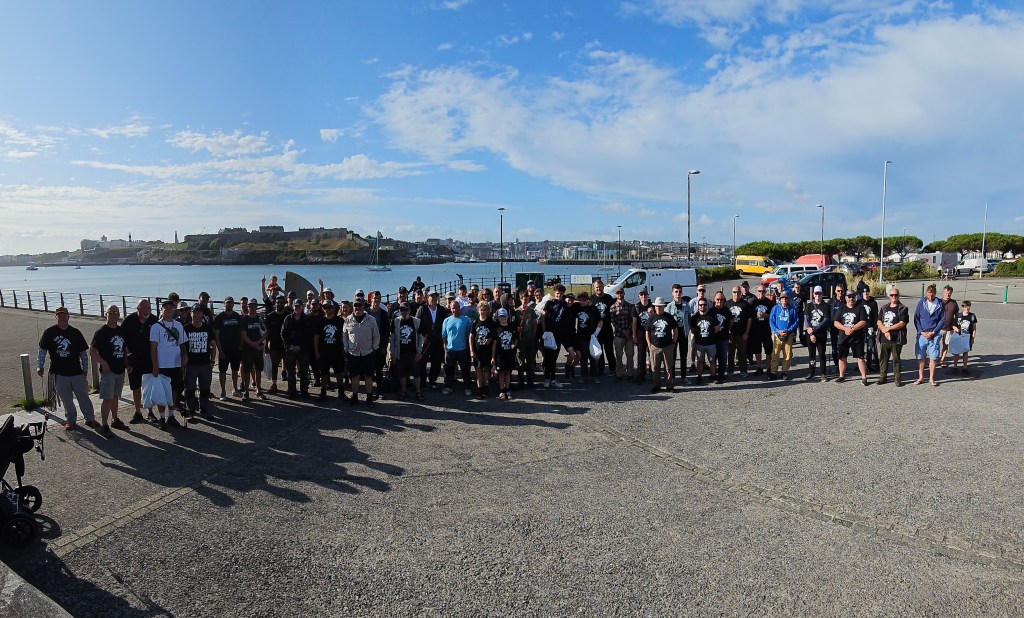
That event became The Big Lerf Weekender, which in September 2023, took place for the fourth time. We also added The Big Lerf Fundraiser, which is a one day charity event, now in its fourth year and the The Big Lerf Winter League. So as you can see, we have been busy.
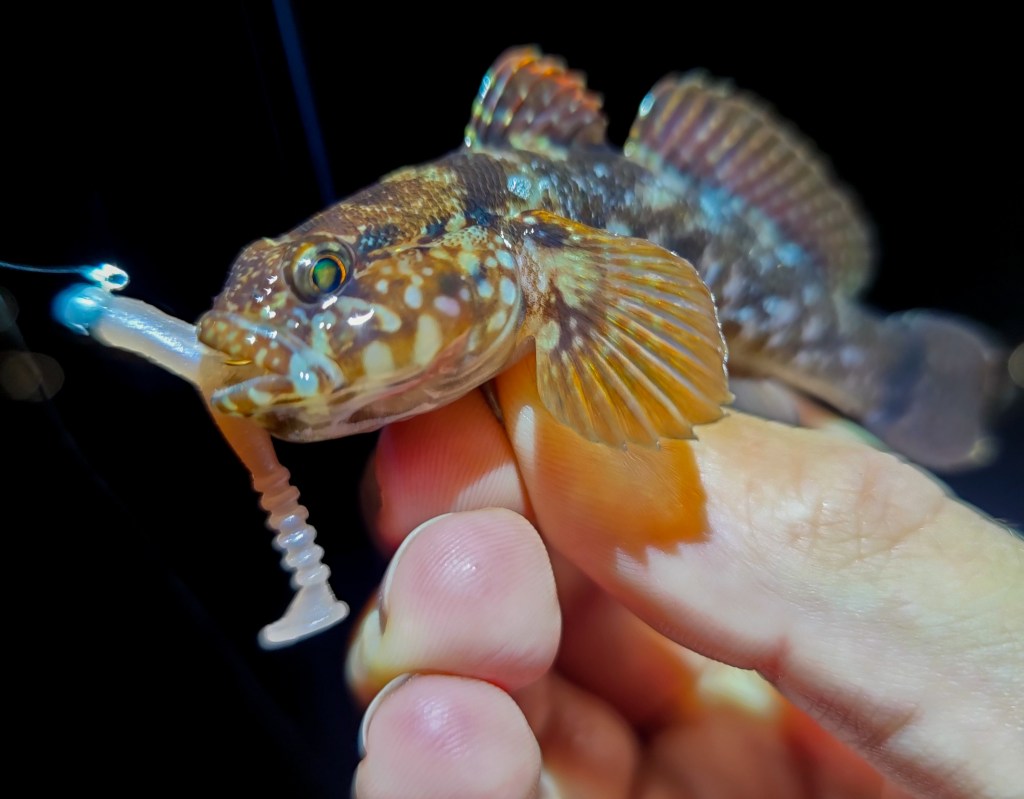
What is better than all of the events though, is the feeling of community spirit on The Big Lerf Group on Facebook, our Instagram account and through our fundraising page ko-fi.com/thebiglerf. Whether you throw huge lures for pike, or tiny specks of Isome for gobies, you are welcome. We pride ourselves on the helpful, friendly atmosphere that has formed, and we will continue that in this magazine.
What is LRF?
Although The Big Lerf is not strictly LRF, that is still the main focus and attraction of the group and events that are arranged. It is sensible to clarify what LRF even is, as it can be quite confusing to the newcomer.
Light Rock Fishing (LRF) means different things to different people, all across the world. It would appear to the average UK based sea angler, LRF is targeting small species of fish, regardless of tackle or technique. That would be wrong, of course, but it is not surprising there are misconceptions and confusion about LRF, because definitions vary over time and terms are often misused by companies in the name of sales.
Why is definition even important? As many will say, fishing is fishing, you don’t need to pigeon hole everything, and in some ways they are right. Fishing is a hobby, do what you enjoy and try not to worry what others think if you are causing no harm. The reason why we think it is important to have a consistent definition of LRF though, is for the sake of new anglers and to maintain the ethos of what LRF is. It would be all too easy to stray away from that and for LRF to be lost into simply multi species fishing with light tackle (or not so light!).
If you are searching online, be that through search engines or social media, you need your results to be helpful to ensure you are seeing the right content. It is the same with sites like this one, you need the content to be consistent and true to the subject matter. If you search for how to play badminton but end up reading the rules of tennis, it’s not very helpful, so that is why the definition of LRF is important.
The most common confusion is thanks to the huge popularity of using LRF tackle with bait like ragworm or strips of squid. This is very effective and can be a great way to get juniors into angling as the bites come thick and fast. Although it works well and you will catch almost the same species, LRF is not bait fishing. Many anglers respond to this issue by saying “well it’s Light Rock Fishing, it doesn’t say anything about lure”, but this is missing the point. Many activities are named vaguely or without description of the technical details and are not questioned, and LRF should be the same. LRF may have deviated from its original inception here, but it’s important not to move away from the very thing that defines it, and that is that it is a lure fishing discipline.
Other muddying of the water has come from tackle companies. This was much more common in the early days as the technique broke into the mainstream. Companies and shops, keen to jump on the bandwagon and boost sales, slapped LRF on everything. Many lures, rods and line were marketed as suitable for Light Rock Fishing and definitely were not. Thankfully, at the time of writing, this practice has lessened in recent years and we have some excellent brands providing suitable tackle along with a broader online community that are more than willing to help newcomers get set up with the right gear
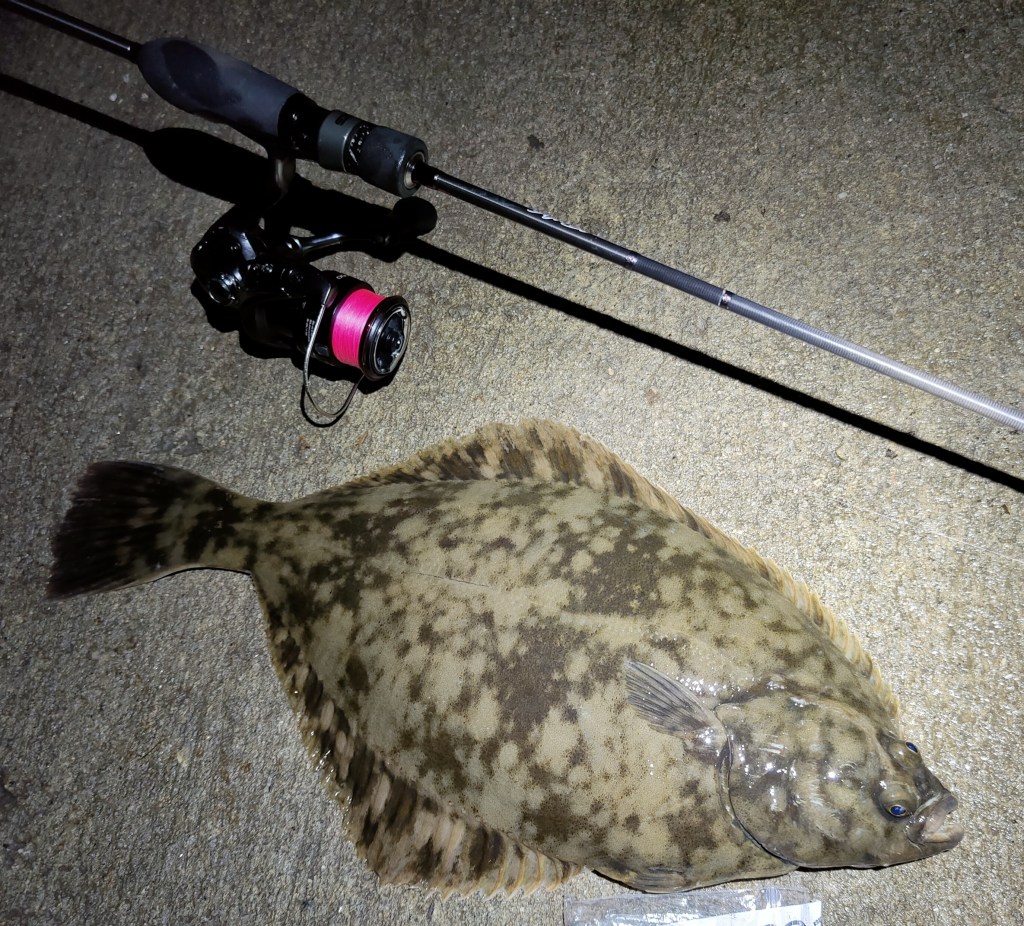
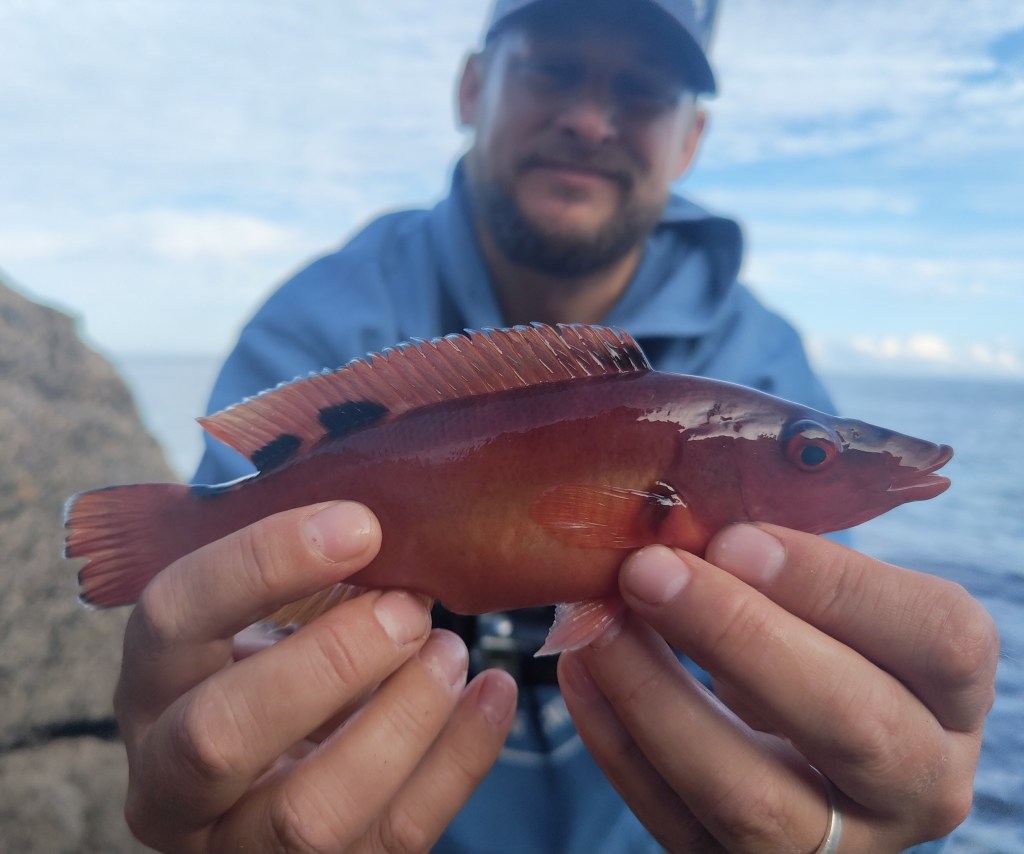
One last confusion is by region and culture. Here we are talking UK LRF, and that incorporates influences from Japan with their Aji, Mebaru and Microfishing techniques, American Ultralight tactics, European Streetfishing and more, under the umbrella term of LRF (or Lerf). There is a lot to unpack but, in simple terms, LRF is ultralight lure fishing in the sea, targeting a large variety of species, from the tiniest gobies to specimen flounder, wrasse and bass, using rods rated up to 10g and line that is normally no more than 8lb breaking strain.
One final word on LRF. Although LRF is generally regarded as a sea fishing technique, it has influenced ultralight fishing in freshwater to such an extent that a lot of land locked anglers regularly use LRF tactics in the fresh. This looks like it is only going to grow and it seems likely that Ultralight/Finesse freshwater lure fishing will simply fall under the LRF name in time, if it hasn’t already.
So welcome on board and get in touch if you have any questions!
Ben, Rich & Joe
 The Big Lerf