

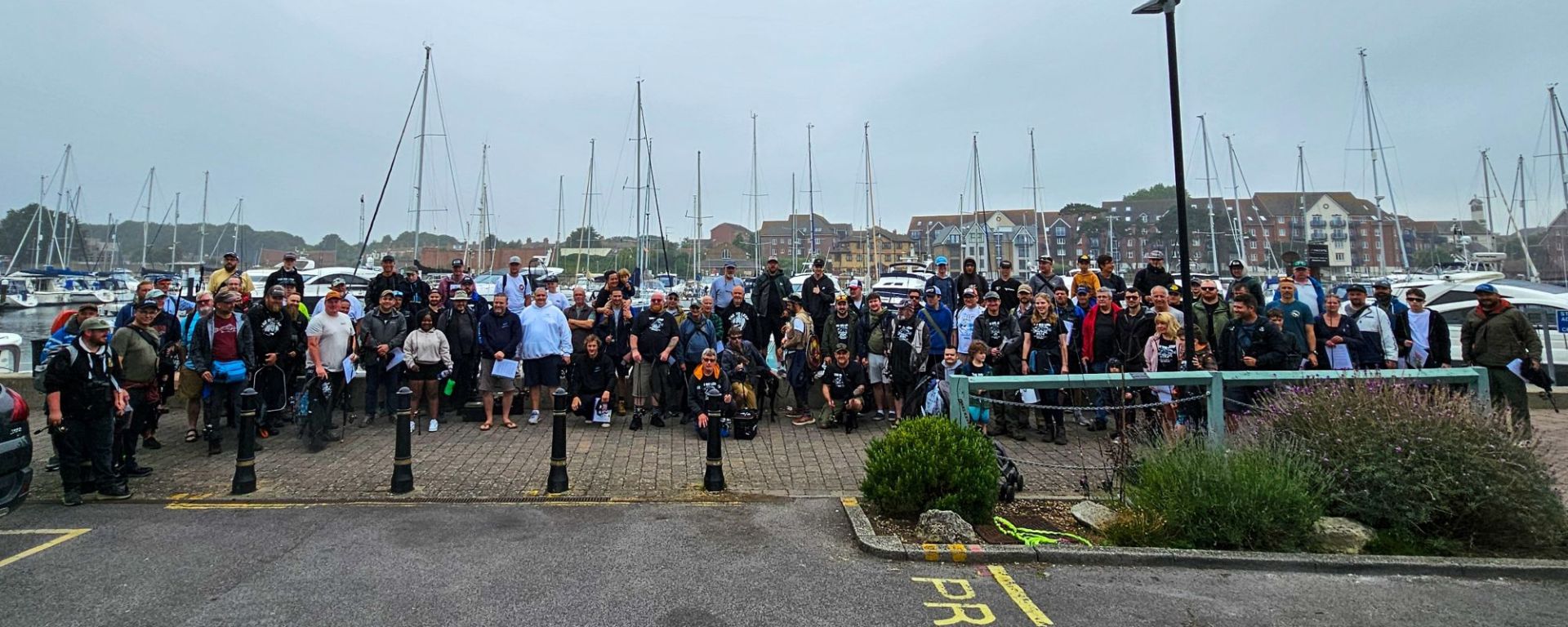
The first ever Big Lerf Survey has been completed and the results are in the graphs below. Have a good read over them and we will do our best to summarise them as we go…
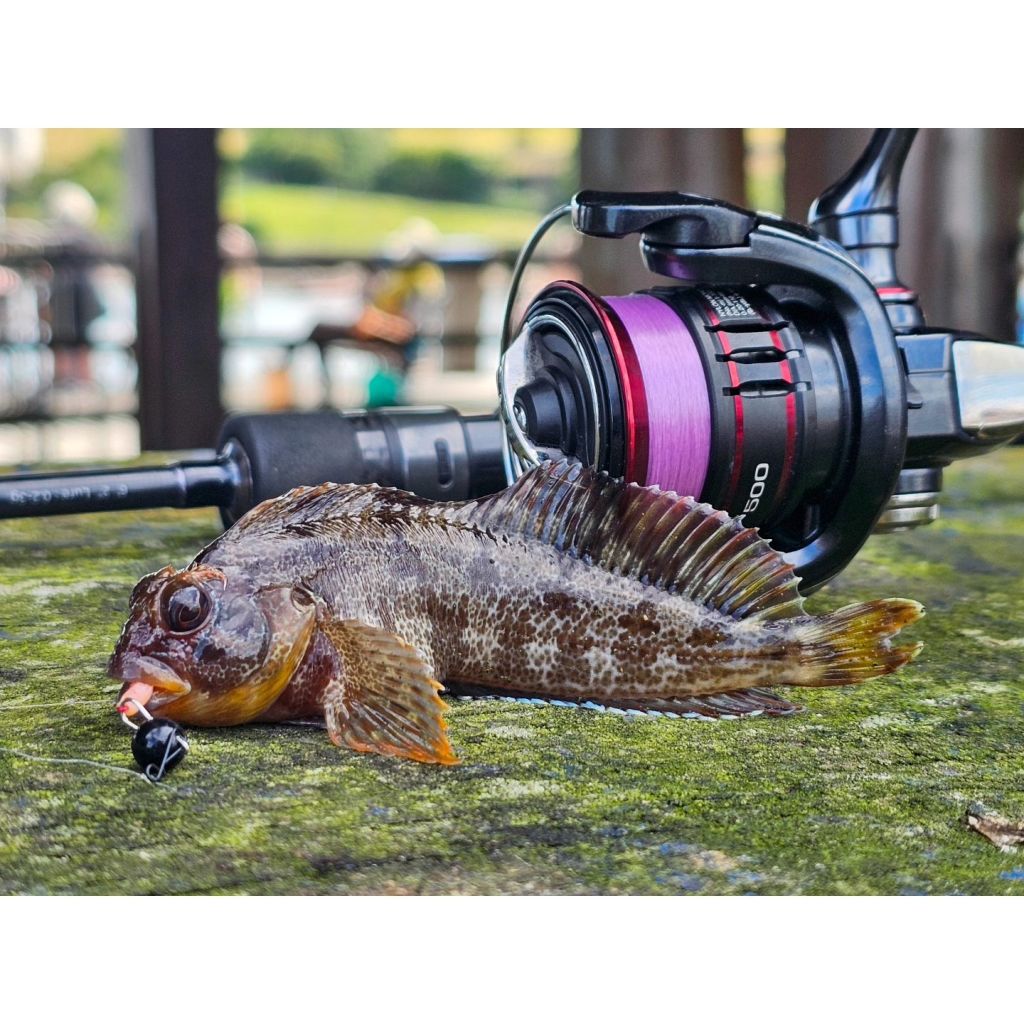
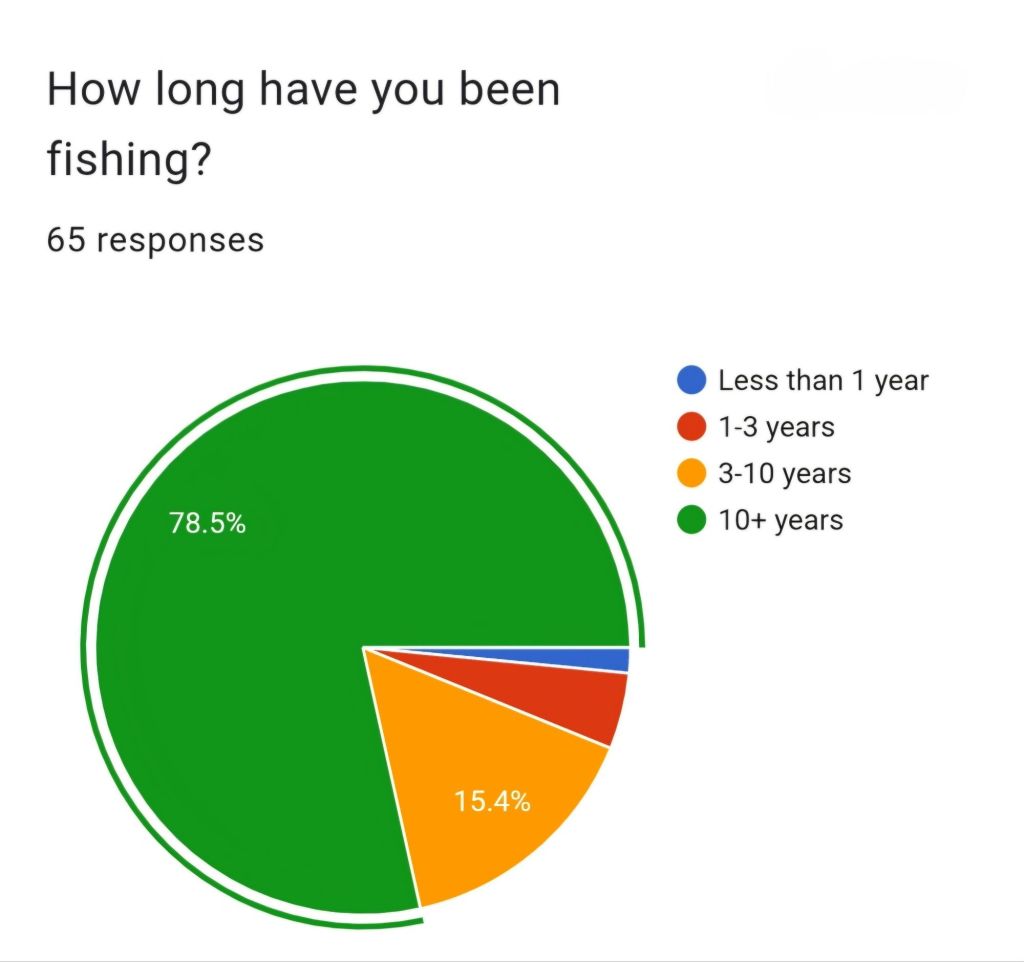
Unsurprisingly we see that the majority of anglers surveyed are experienced, but it is great to see nearly a quarter were relatively new to it, under 10 years. We feel that LRF is a great entry into the sport and this shows in these results.
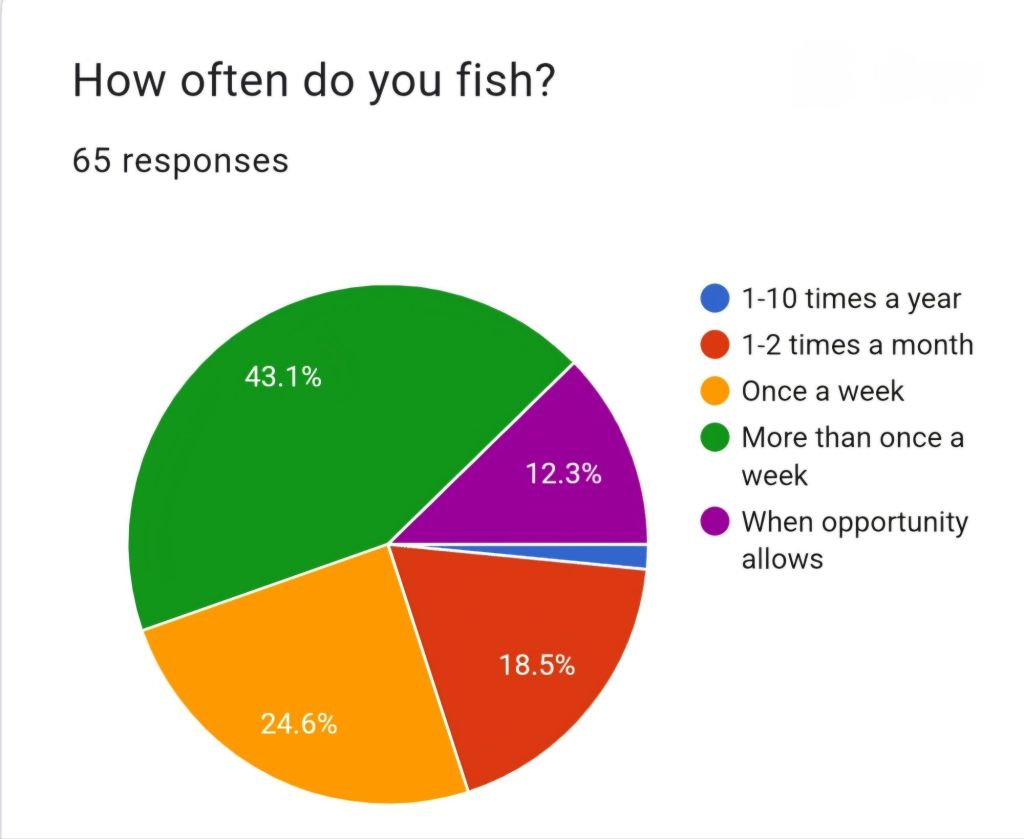
You lucky folk who go more than once a week! These results are to be expected, although many will envy the 43 percent who fish so often.
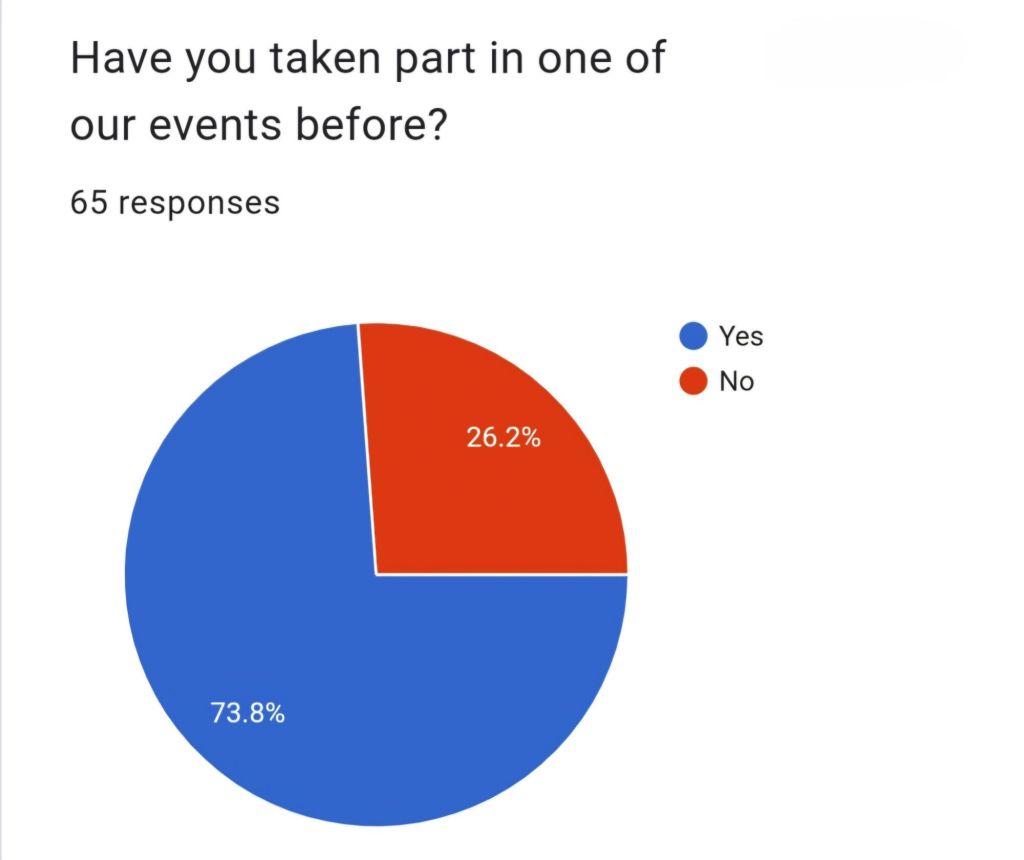
Over a quarter of those surveyed had never taken part in our events before. This is one of the most reassuring stats for us personally, as we continue to reach new anglers, as well as bringing back those who have trusted in us before.
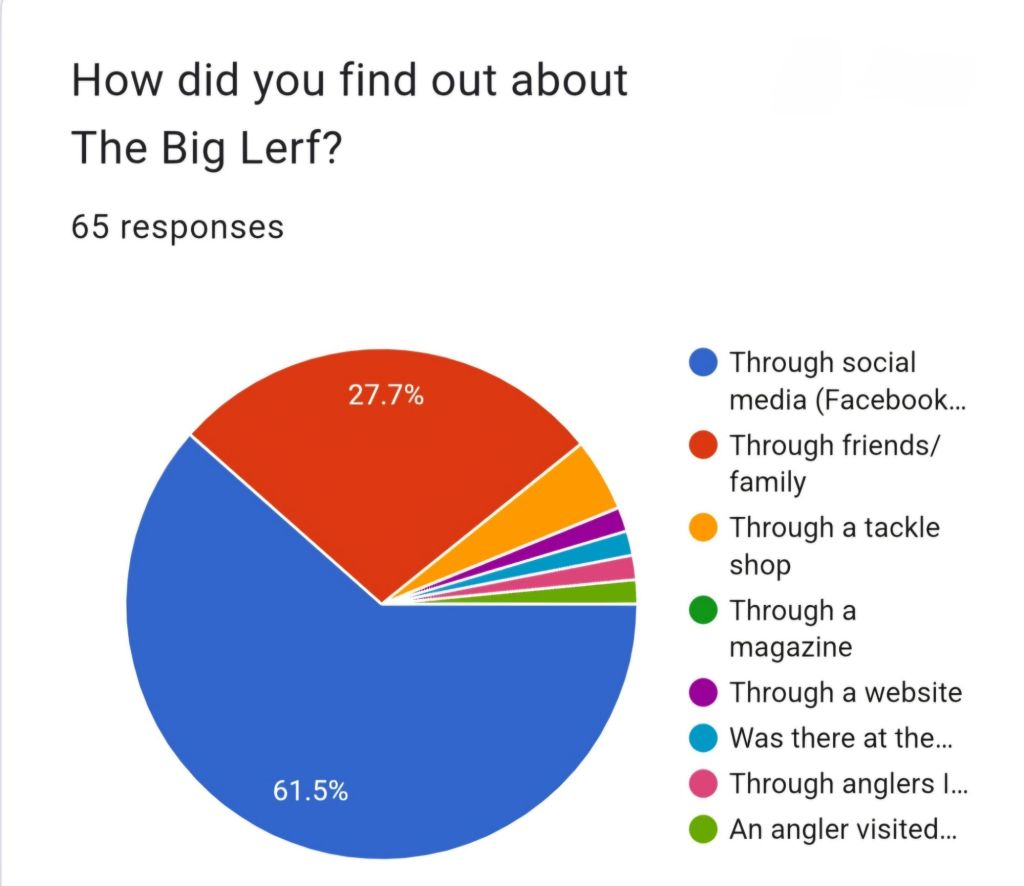
Despite how frustrating and less usable social media has become, especially Facebook, that continues to be our greatest outreach. Word of mouth still has great value though and we are grateful for the recommendations.
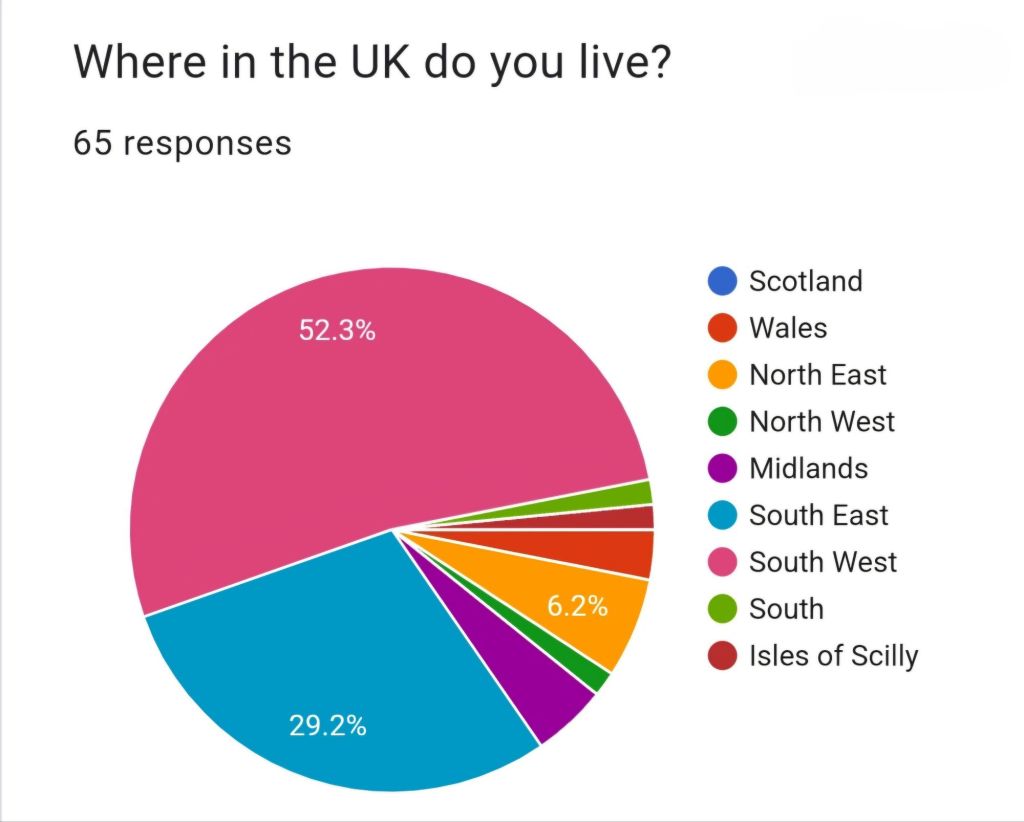
As our events, and most of the best LRF in the country, are based on the south coast, these stats are understandable. But there’s nearly a quarter who are travelling a long way to fish with us, and that confirms our belief in the value of events like this to local communities. More on that in a moment.
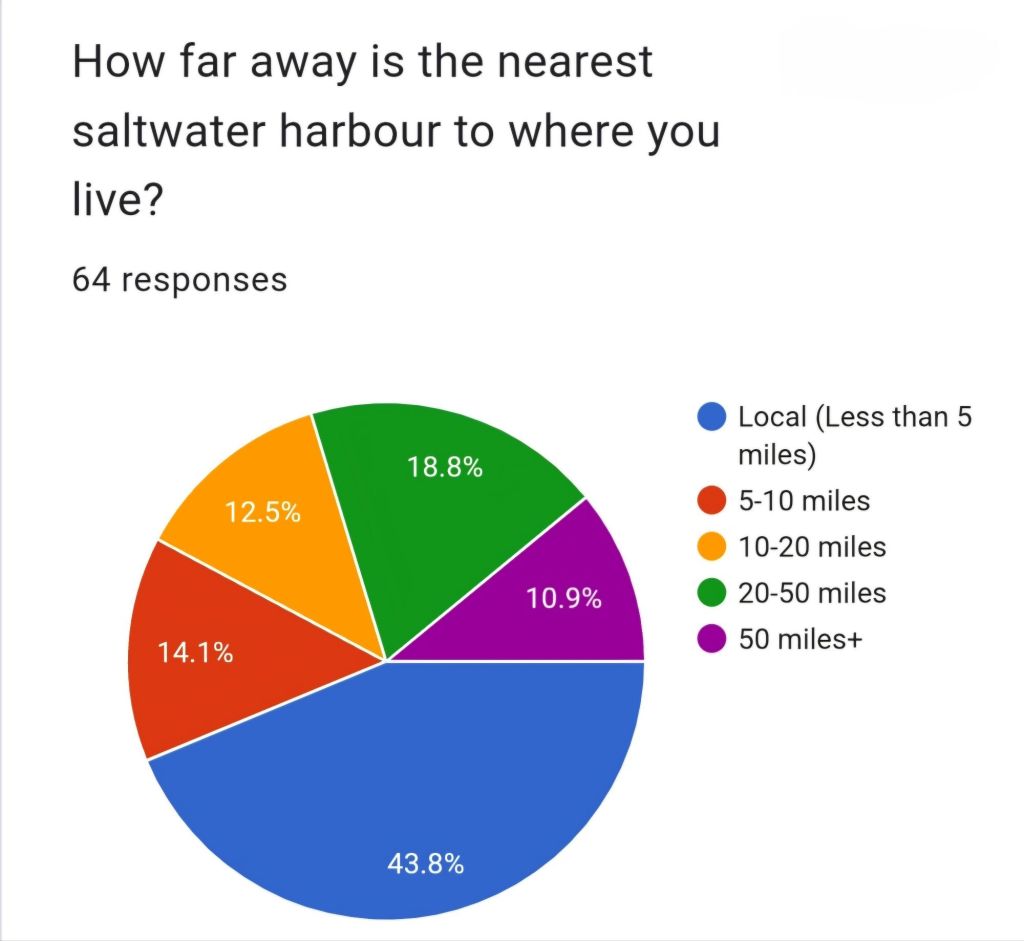
With nearly 90 percent of anglers surveyed living within 50 miles of a harbour, it is crucial for angling to survive that we maintain access. Harbours may have owners that aren’t open to the needs of anglers, but they were literally made to protect fishing boats and the local homes that housed the fishermen. We must find ways of working together and modernising how angling is viewed to the non-angler.
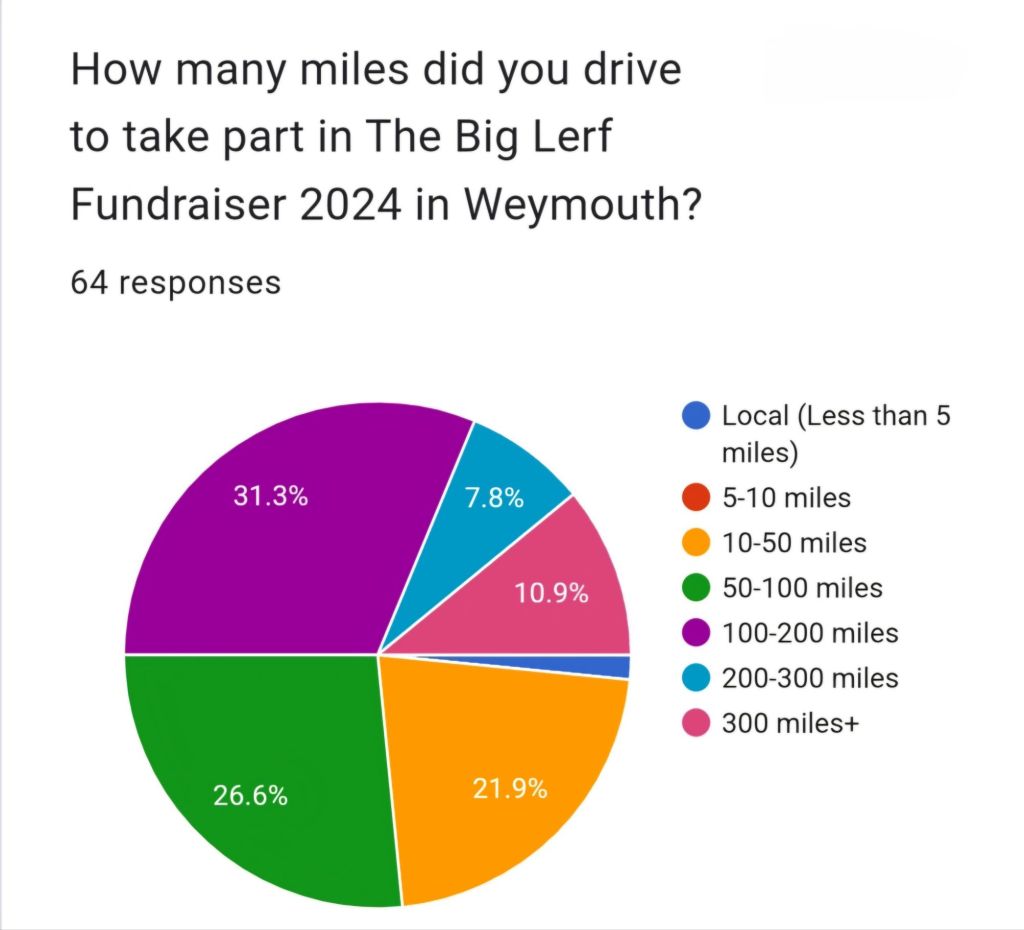
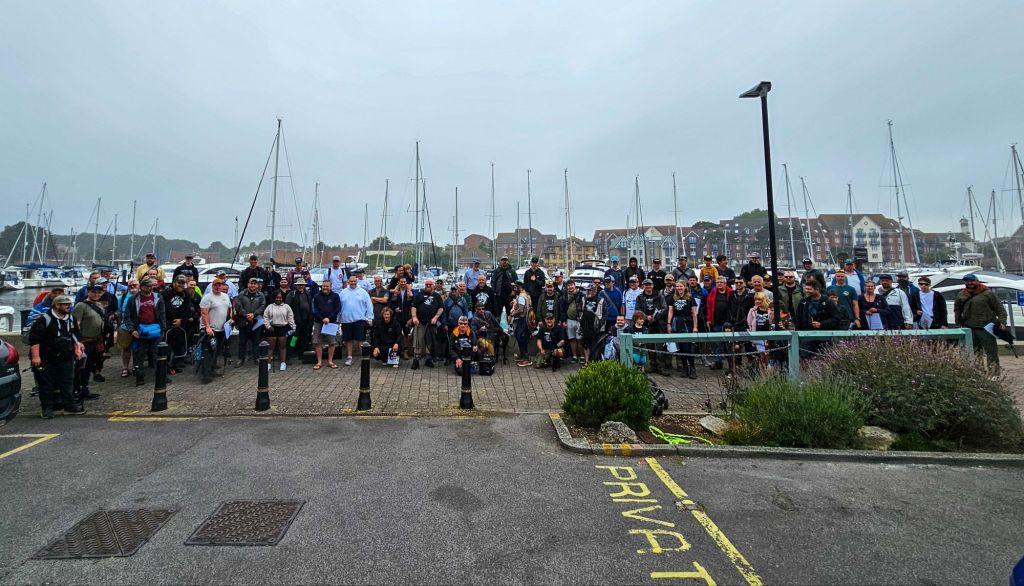
Crucial to our argument that this event truly benefitted Weymouth, you can see that majority of anglers travelled more than 50 miles to be there. This means most of the 100 people who took part were there only for that reason, spending money in the local area because of this event.
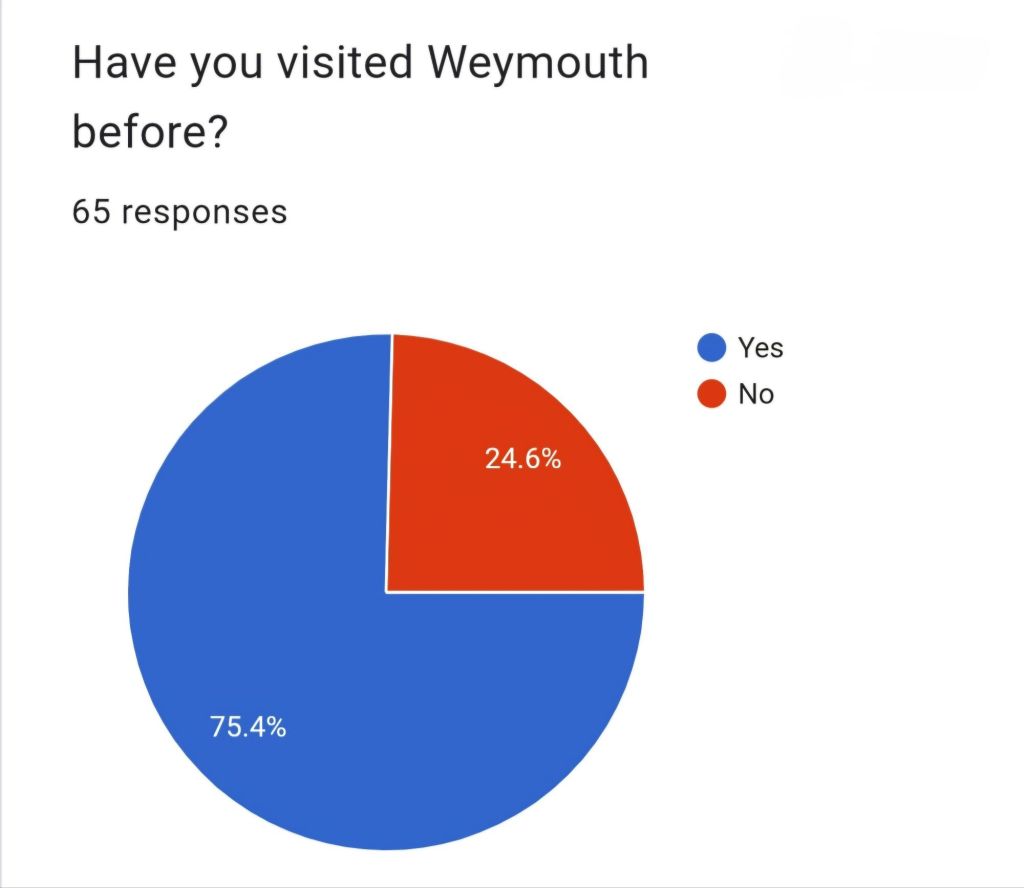
Despite it being a popular tourist town, a quarter had never visited the beautiful town of Weymouth.
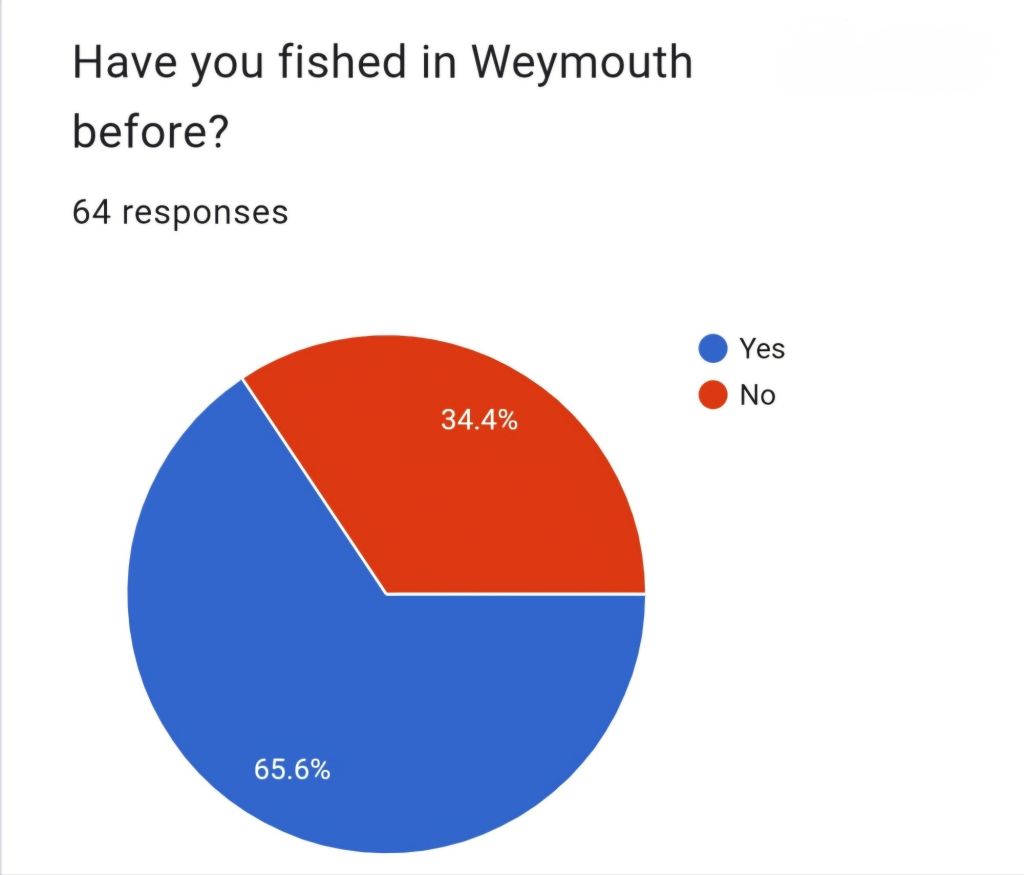
And a third had never fished it. It is quite likely that those with an angling persuasion will be back as Weymouth has great angling potential. This in turn drives future tourism, increasing footfall and spend in this seaside town. A lot of angling is done out of traditional tourism season too, so it is helpful in the leaner months of the year to local businesses.
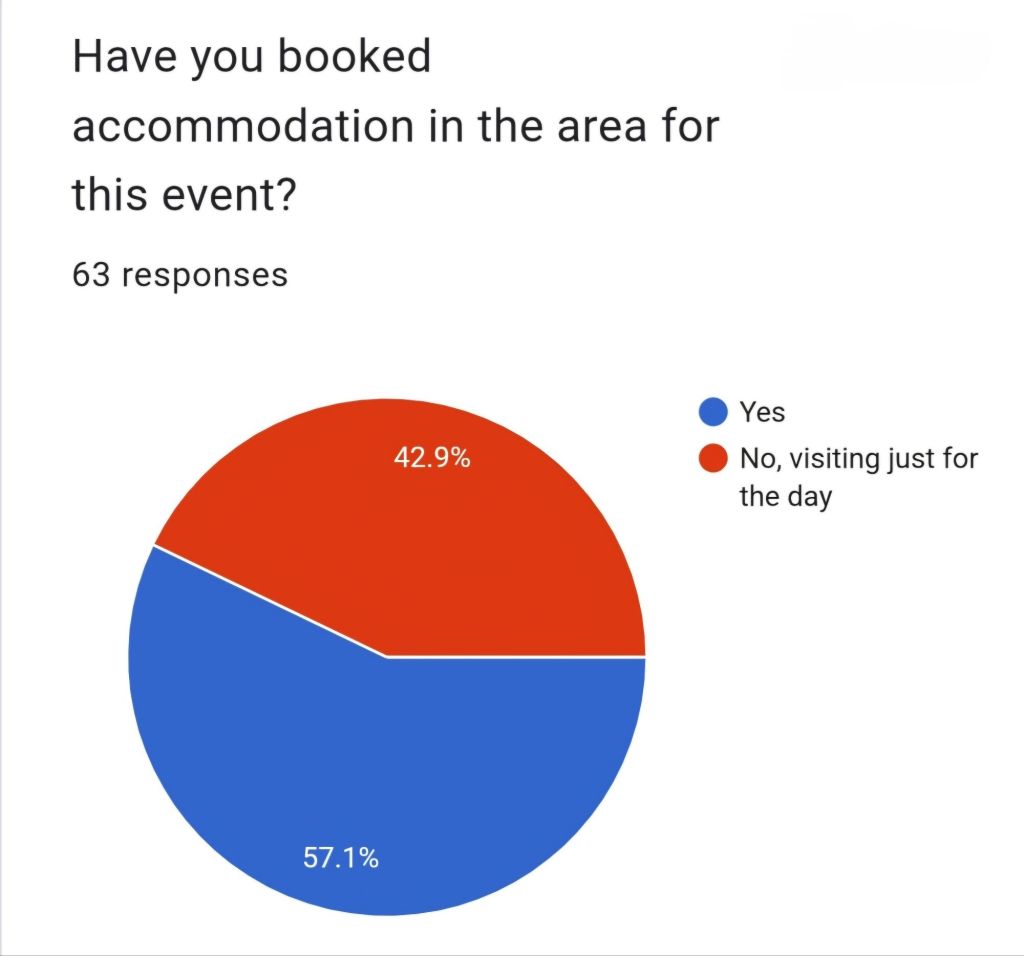
We felt this was an important question, as not only does staying in the local area give money to homeowners (for Airbnb guests and similar), hotels, campsites etc, but it also means the people staying are very likely to purchase food and drink, whether that is from takeaways, restaurants or simply shops and supermarkets. All of this increases takings for these establishments, helping to provide jobs to local people.
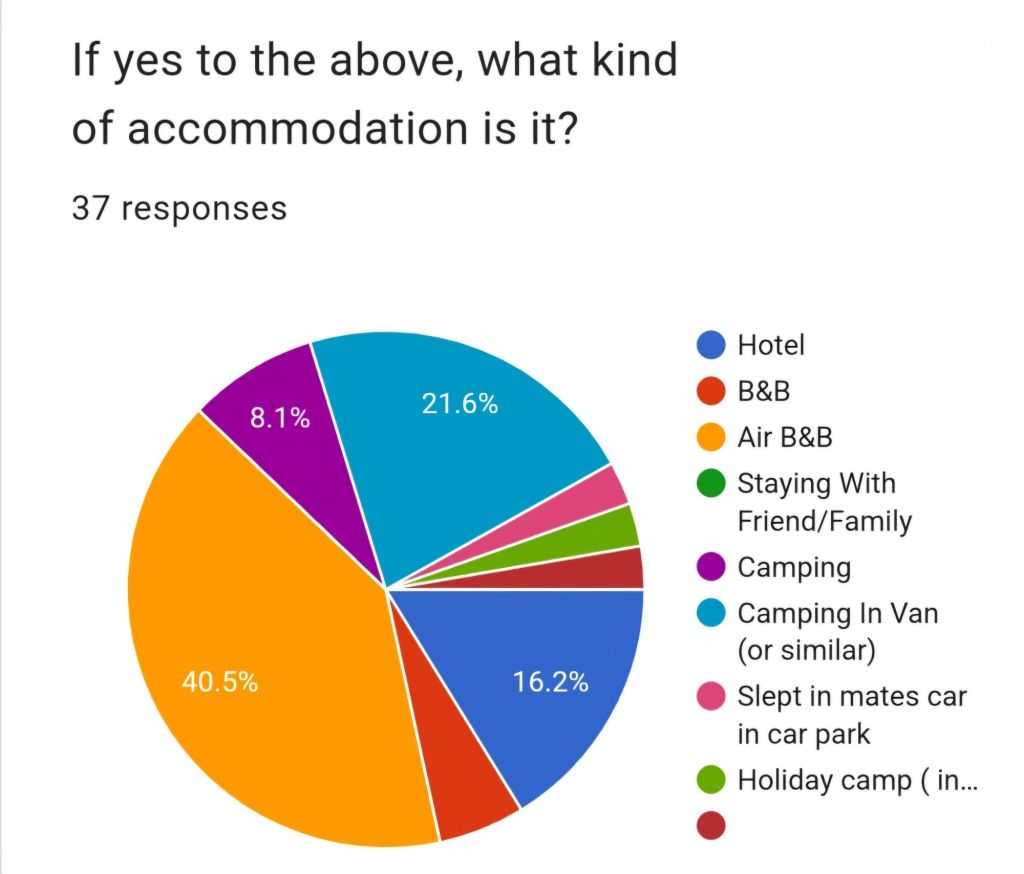
Now Airbnb is controversial, as many homes will have been purchased by rich outsiders who can then make a profit whilst removing a home for local people. Regardless of that, this is still money that is going to someone, and hopefully a large enough percentage to people who live nearby. Camping or staying in vans/cars remains a popular option, especially for summer events like this one.
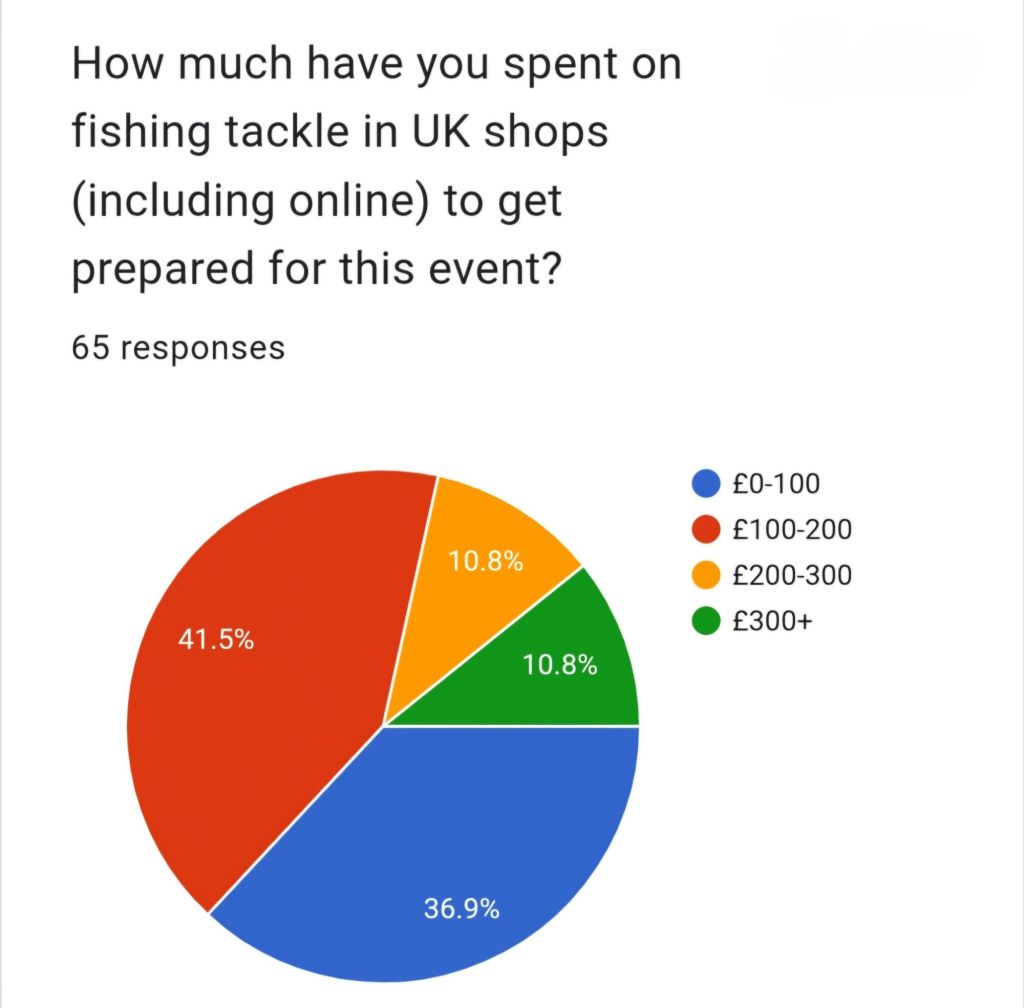
Two thirds of our entrants spent over £100 to prepare for this event, which would mean it is very likely just this one event was worth well over £7000 to tackle shops across the UK. The fact that there are many events going on like this in different angling disciplines almost weekly in the UK, shows the economic worth of the fishing tackle alone.
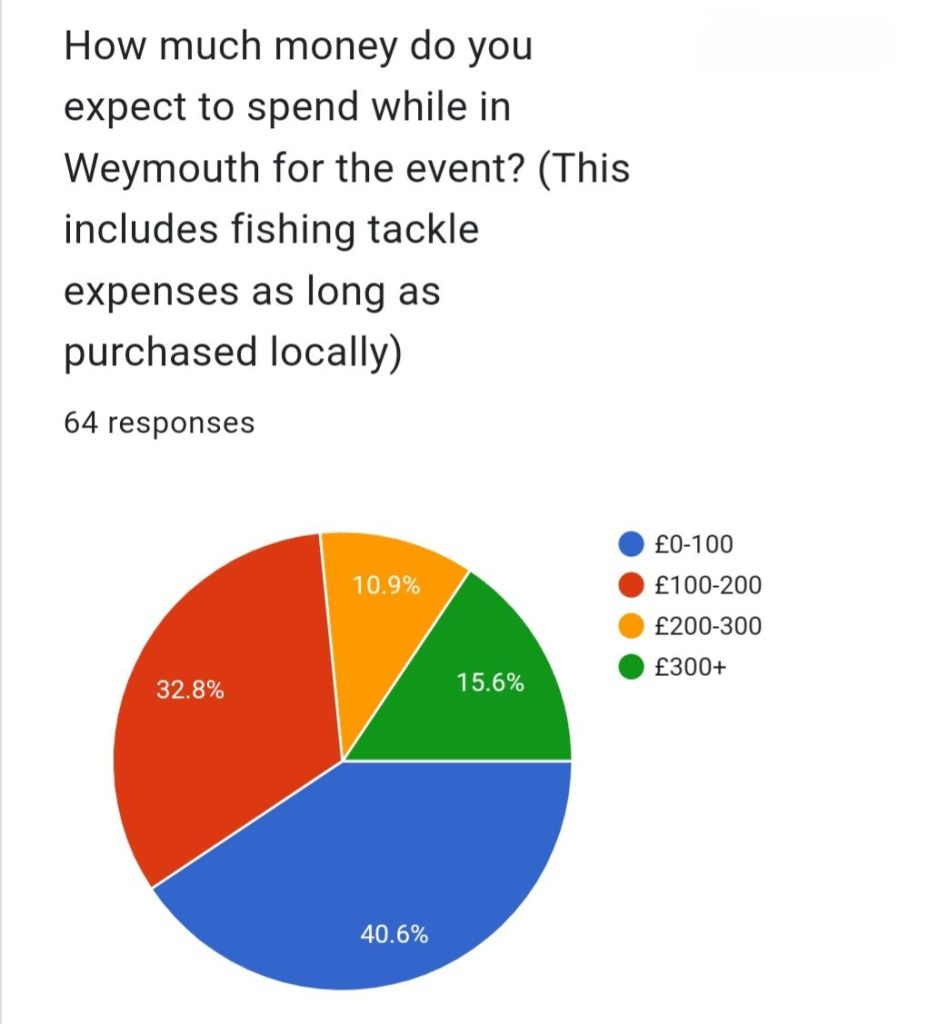
When we worded this question we expected the anglers to be completing this survey on the day of the event, but actually it was afterwards. So these numbers are not a guess, but a true reflection of what was spent. It is easy here to see the true worth to the local economy of over 100 anglers, perhaps their partners and children too, taking part in a one day event. Worth easily over £6000 just on that day, but certainly much more. If you are adding that to the previous spend on tackle of a similar amount and we can estimate just this one event was worth more than £20000 to both the local and the wider ecomony. And that is just a single one day angling competition, with tiny LRF rods.
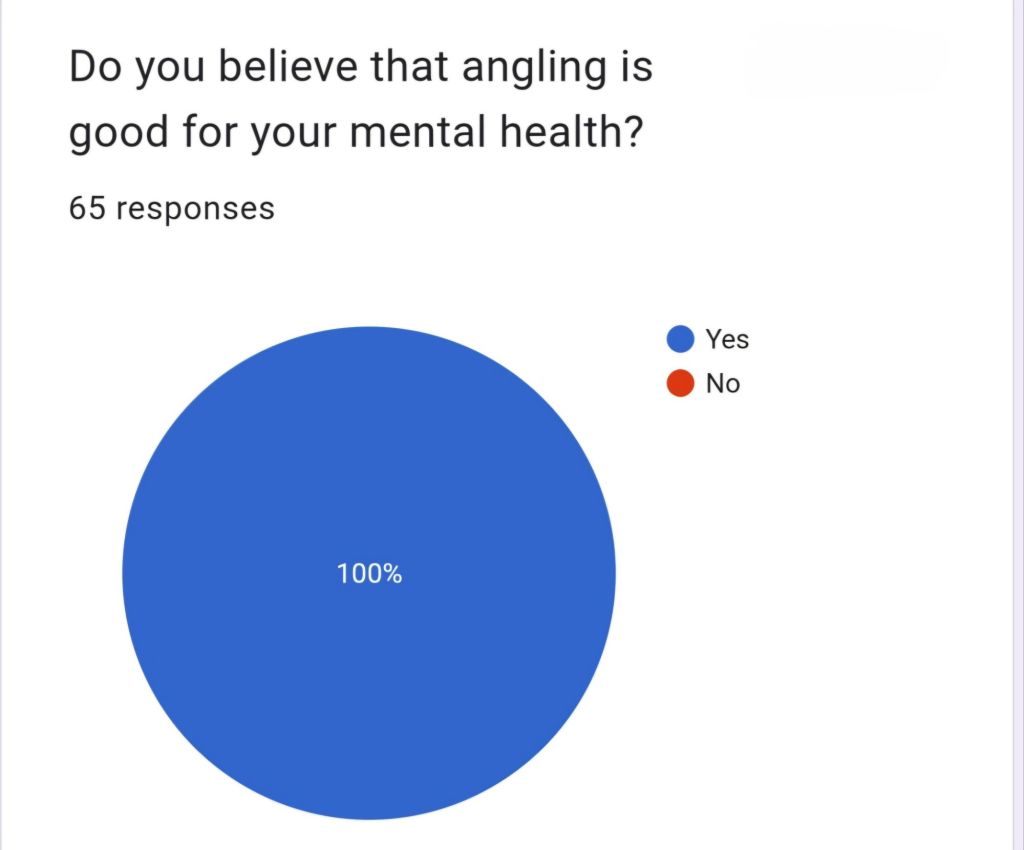
Proven by the likes of angling charity Tackling Minds, angling is now being prescribed to treat depression, anxiety, PTSD and addiction by the NHS. There can be no doubt of the benefits to the mental health of what is mostly men. Remember that the biggest killer in young men is suicide, if angling can be used in any way to prevent that, it has to be given more support from those outside of the scene.
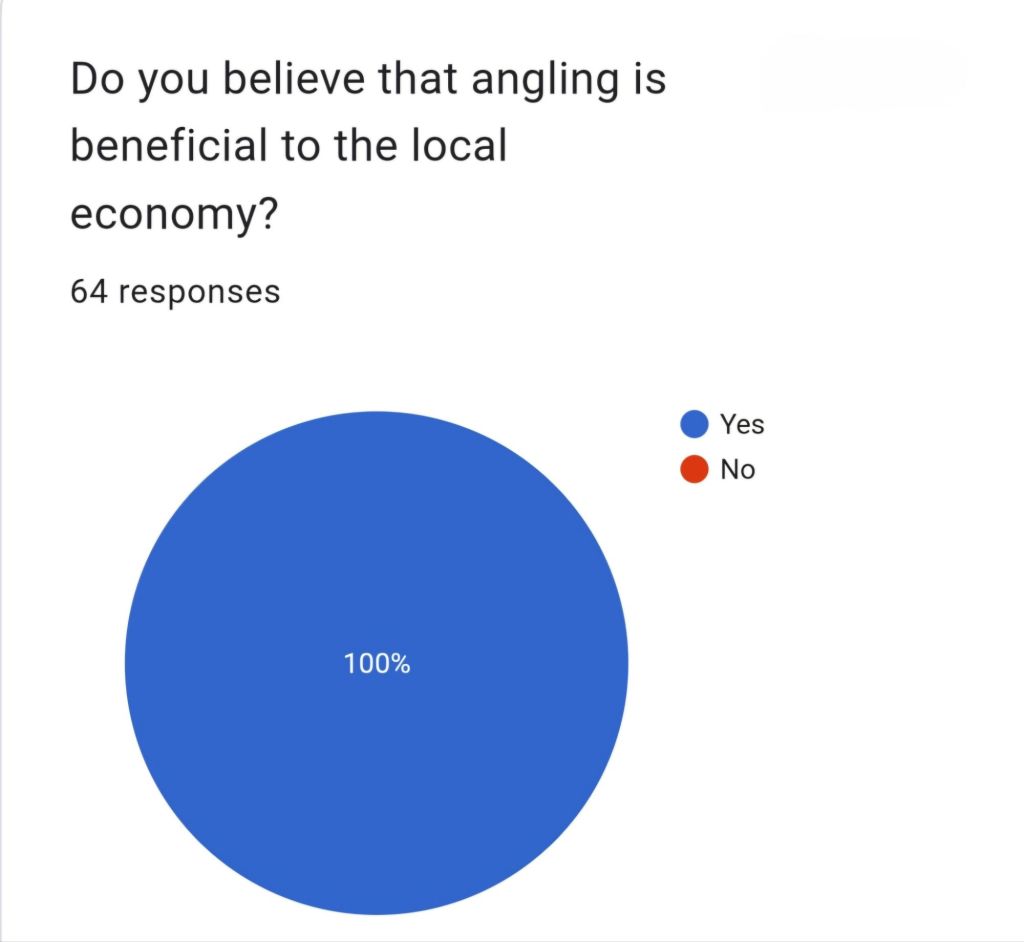
We think the evidence for this is clear, and our participants agree unanimously.
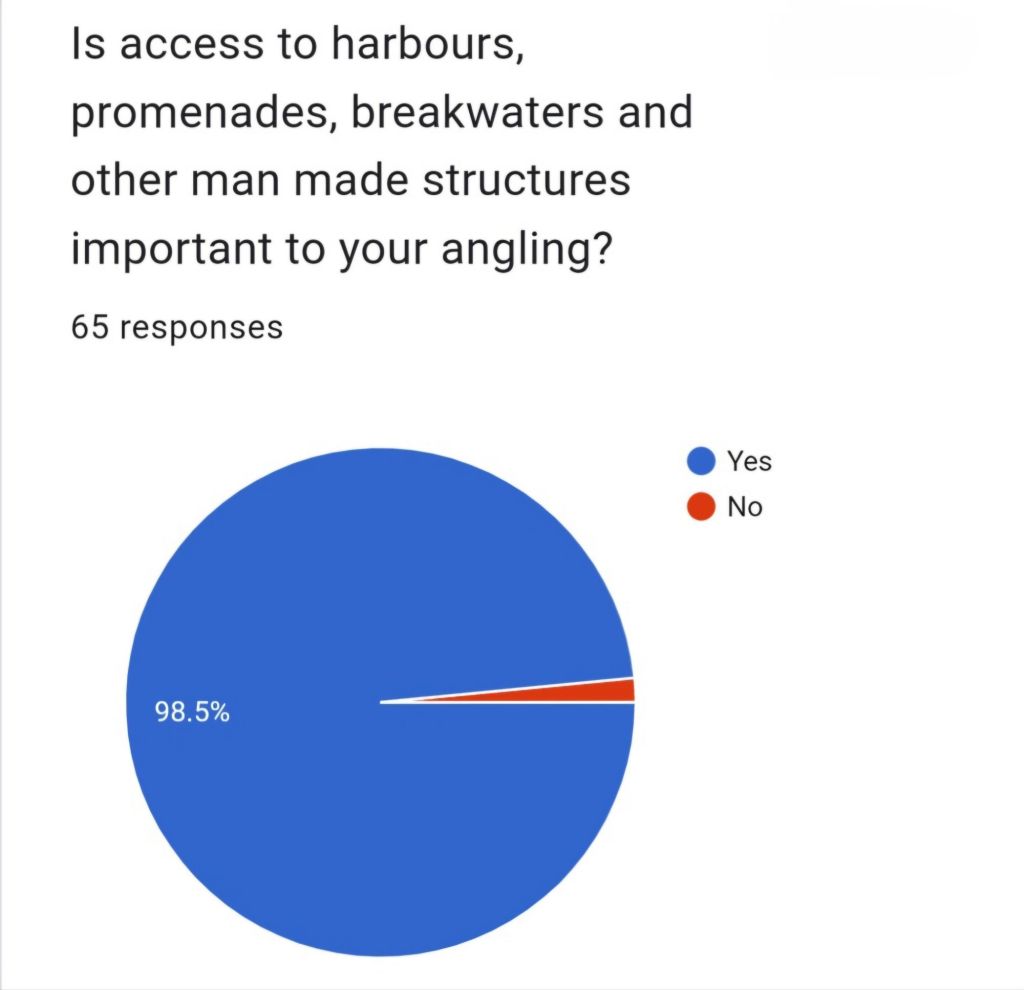
With almost all of our entrants agreeing that man made structure is crucial to their angling, it is so important we provide compelling arguments to keep access to them for future generations.
We asked our participants to expand on why this access was important to them, and here are our favourite quotes:
”The most important aspect of these structures is accessibility. Being able to access the sea from a safe vantage point is crucial, particularly if you are fishing with children or have mobility issues. It’s also important for the public to see the varied species that live beneath our feet, hopefully increasing awareness and respect for our environments.”
”Good access to safe spots makes it a whole lot more manageable if you have mobility issues. It means a wider group of people can also participate ie families and the more elderly and, generally speaking, you’re never too far from facilities such as refreshments, toilets and shelter from the weather.”
”Harbours & piers make up 80%+ of all my fishing. Not only are these environments some of the most rich in marine life, the accessibility is key to being able to fish with my partner. My partner loves fishing but she has mobility issues which prevent her from being able to walk distances or on loose surfaces such as shingle beaches. Having access to man made structures means that she is able to use her mobility scooter to get to them and also have a stable surface with which to fish from. The man made structures and inner harbour areas also allow us to fish in almost all weather conditions due to the shelter that they typically offer. Without these environments being available, we would probably only fish 10-20 times per year. Given that these areas allow us to fish much more frequently and in almost all weathers, we are supporting tackle shops more frequently as well as the local economies where we buy food/drinks and often stay in hotels.”
”It’s a sociable, safe environment for anyone of any age, and any ability. Local facilities make planning less of an issue, and carrying multiple drinks etc less essential.”
”For diversity of fishing, being able to look for more species. Having a safe place to fish. Some coastal marks can be dangerous to access. Having the convenience of places to eat and toilet facilities. Also lighting. If you are fishing at night visibility can make finishing dangerous but harbours are well lit.”
”I suffer from ASD, depression and anxiety. Angling is the only time I can relax, be myself and mix with people that don’t mind how odd I am. It’s the medication! I have been an angler for 50 years plus, I dread to think how much I’ve contributed to keeping the angling economy afloat, but they would definitely notice if I stopped fishing! Access, or lack of, is one of my pet hates. Absolutely no reason on most occasions other than to stop people enjoying themselves. Anglers often seem to be treated as second class citizens, just look at Torquay for example.”
”Realistically they’re the only places I can join my family and friends with poor mobility sea fishing. The vast majority of beaches aren’t wheelchair friendly, charter boats are a luxury and aren’t always practical for some disabilities, but harbours are generally very good for this, and the fish don’t seem to mind them too!”
”Harbours/Marinas promenades and breakwaters are important because they provide habitat to host a whole range of species. Species which may not otherwise be available to catch without them.”
”It give me opportunity to fish deep water without having to use a boat”
”Accessing fishing vantage points to deeper water with fish species immediately below is hugely advantageous. Also beneficial for young anglers who perhaps cannot cast effectively. Allows fishing together as a social occasion as you can fish close by. Provides fishing opportunity for many anglers in a small area.”
”Angling has an impact on everything, be it a couple house after work or a day off spent with a few friends which is a few hours of fun. Fishing is calming, and really enjoyable for loads of people. Access to harbours and structures allows you to fish areas that you can’t prior, leading you to catch other fish and learn more about the ecosystem and what fishing can be done there.”
”As it allows me and other anglers to cover more ground allowing for more fish to be caught, and for targeting different species over the larger array of ground types I will be fishing over. It also means that fishing is more accessible for people who may have a handicap and need nearby parking or a place wheelchair friendly.”
”They are key features that provide a great habitat for an abundance of species I like to catch. A lot of the structures I question also provide a safe place for me to take my family so that they can enjoy a days fishing.”
”Such areas offer easy access to good fishing if I can only get out for a short session, and often give the chance to catch a wide variety of species that can often be difficult to catch elsewhere.”
We also asked why they felt LRF is important? Here are some of our favourite quotes:
”Apart from the physical and mental benefits it enables people to see the diversity of what lives in our waters. LRF particularly is very ‘user friendly’ in that you only need to carry minimal amounts of gear and it is a very ‘family friendly’ pastime that can be done for 1 hour or longer depending on your free time. It’s also very informative for ‘passers by’ who don’t fish and they often stop and chat about what you’re catching and the methods you’re using. Take that access away from public areas and you lose all of the above.”
”Fishing gives me an escape from the stresses of inner city office work and the coastline in general is where myself and my partner are most calm and content. For my partner especially, the lightweight equipment associated with LRF allows her to fish easily without causing fatigue in her joints. Traditionally, I have fished open beaches but LRF has opened up a world of species and environments which I never believed were available previously. Mini species had always just been the pretty fish in the books but we’re largely inaccessible using traditional fishing methods. I’ve also discovered that the LRF community is more welcoming and knowledgeable than every other type of fishing I’ve done previously. It offers opportunities to fish in more places and often gains the interest of many people who pass by. Typically every fishing trip results in at least one passer by commenting that they “didn’t realise there were any fish in there”, “that’s a pretty fish” or “do you think my child could do this?”. I really believe LRF opens up more opportunities to share our marine life & generate interest with the general public than any other form of fishing.”
”LRF fishing is easily the most sociable I have experienced in more than 30 years of angling. Groups of 2-100+ can and will get together on a very regular basis, often for a weekend and even longer. I treat every visit as a mini holiday and spend more than I should every time…! It’s imperative to keep as a resource in any given individual area, as the numbers will only grow from here. There are very, very limited downsides to it.”
”Great for mental health, great social interaction, get to see new places, fishing bought me and my dad closer together.”
”I believe the LRF brings a strong and caring community together to help with people’s mental health and also benefit the local economies. Over 100 anglers came to the recent big lerf event, and with their families. I can only imagine how many local businesses were supported during this time.”
”We often educated the public, that there’s more to fishing than mackerel or the biggest fish, and let them know / show them all the weird and wonderful species that exist right below our feet.”
”LRF anglers are fast becoming the local guardians of our shorelines. Cleaning up after others, caring for all wildlife and our fellow humans. We report what shouldn’t be happening and we take care of the fish, each other and our environment. The next generation of anglers need positive examples to follow. That is LRF.”
”Lrf has created an amazing social community where the anglers provide encouragement and support to help others. Perfect.”
”As a youngster I would take my coarse gear on summer holidays to the sea, and would spend many pleasurable hours on places like Brixham breakwater catching small wrasse, blennies etc. The experience set me as an angler for life. In many ways it feels like I’ve gone full-circle as although I’ve been primarily a big-fish specimen hunter, the joy I get from discovering LRF reminds be of the true spirit of angling. It’s pure, distilled, fishing fun.”
”It’s a powerful motivator to get you out of the house, rain or shine!”
”LRF fishermen are very respectable ambassadors to our sport. It’s no wonder why… it’s not the cheapest hobby, so people take care of their gear and look after the environment in which they use it. If they don’t it’s as simple as not being able to use it. However it genuinely concerns me the way things are going. People are getting “scruffier” (and again I must stress it’s not us Lerfers) they don’t care about the environment in which they fish. It’s all about getting hammered/high and leaving rubbish everywhere. This is only adding fuel to the fire of anti anglers which seem to be growing more and more popular. I’m not sure theres much we can do apart from cracking on at being awesome by showing a good example to the public/other anglers and hopefully things will change for the better.”
”My fishing gives me an escape from day to day worries and stress. LRF also gives me an opportunity to take my single parent daughter and my grandson on a holiday at the seaside.”
”Is a great introduction to the natural world below the surface of the ocean for young people. Gives opportunity for actually catching something and keeping youngsters entertained and engaged. Gives all anglers an opportunity for fishing in oceans with ever diminishing fish stocks.”
”I have found the LRF scene to be a fantastic side of angling, genuinely a lovely community. The mental health benefits of getting outside and spending time with friends and family are known already, fishing gives us a reason to get get out even when we don’t realise we need to.”
”LRF can be enjoyed by people of all ages. It’s a very simple form of angling that anyone can do. It teaches you about the fish species in our waters & the habitat they live in. Catch & release fishing like LRF promotes better fish care & appreciation of the fish we love. You can fish for a couple of hours or as long you want.”
”LRF is a new form of fishing for me and to date has been my most enjoyable , it’s taken me across alot of the south coast finding new and unusual species . It has also been a major help towards my own mental health and I do believe that is there wasn’t enough places like harbours and breakwater to fish then not just myself but others too would struggle to find places to go and unwind from everyday life”
”LRF & fishing in general brings people together. People (including myself) travel from all over the UK to fish in different areas, all of these people bring a lot to those local areas like hotel stays, eating out locally and generally paying into the local economy.”
LRF is the style of fishing I almost exclusively do now, it has also helped me easily get my children and my friends into fishing as it’s easily accessible for all
”Its non invasive to passing motorist’s, pedestrians and watercraft users (as the focus is primarily up against structures,walls ect) the weights rarely go over 5g’s, there absolutely no intent to keep fish and all are returned alive. Its a social and safe fishing format that is accessible to all from toddlers to pensioners. Lrf-ers are environmentally conscious (often picking up litter left by other water users ) , using environmentally safe and biodegradable lures.”
”LRF provides an educational aspect for all small/micro species and is easier for young anglers to explore and experience salt water lure fishing. It’s also tailored to targeting the smallest of fish that are of no interest to commercial fishermen. It can also offer plenty of scientific options to people who study species count and breeding populations of the UK’s smaller species.”
”LRF has improved my mentality and patience which may have even helped me with my GCSES!”
”It’s fantastic for my mental health and also for the relationships and community with other anglers. Well done to the Big Lerf chaps for putting it on.”
”Angling is getting more restricted as the years go on, mainly due to the few part time anglers spoiling it for the many I have found this is down to a lack of knowledge and experience in etiquette. The only way to fix this in my opinion is education. Events like the BIG LERF allow the inexperienced angler go have a go and meet people that are willing to help. More events like this are needed across the uk!”
”I believe that many people aiming to fish lrf style are often looking towards harbours and other man made structures as good opportunities for some good and easy fishing. Restricting access to these areas, as seems to be the theme nowadays, will likely reduce the number of people that undertake lrf and travel into the area for lrf fishing. As demonstrated by the big lerf fundraiser, this can be quite a significant number of people that will bring economic benefits to an area.”
”LRF fishing has given me so much joy and help me while dealing with life’s challenges including my own sons health problems which pays heavy demands on my family and I LRF has helped me in some very difficult times.”
”LRF in harbours is a very low impact low risk activity given the nature of the tackle used. It’s also an opportunity to showcase angling to passers by who may otherwise have little to no knowledge.”
So there we have it, the results of our first ever survey. We give permission to anyone fighting the cause for angling to be protected or reinstated to use this data, and please do approach us if you feel we can support you in this. We will be using this information to challenge the restrictions put in place around Plymouth and similar venues.
Angling and LRF within it, can be powers for good, and we are determined to make that known.
 The Big Lerf